
If it feels like winter has been one long downpour, you’re not imagining it. Much of the UK is experiencing persistent rain, waterlogged ground and very little breathing space between storms. The reason sits high above us, racing through the atmosphere.
The jet stream, explained simply
The jet stream is a fast-moving ribbon of air that circles the northern hemisphere. In winter, it usually shifts south and strengthens, guiding Atlantic weather systems straight towards Britain. This year, it has been particularly strong and stubborn, locking us into a pattern of repeated low-pressure systems.
The result?
• Frequent rain
• Mild but unsettled temperatures
• Saturated soils that struggle to dry out
With forecasts suggesting this pattern could continue into February, gardeners need to adapt rather than fight it.
What prolonged wet weather means for your garden
Waterlogged soil
Roots need oxygen as much as water. When soil stays wet for long periods, air pockets disappear, leading to root stress and rot.
Delayed jobs
Digging, planting and moving plants on heavy, wet ground can compact soil, causing longer-term drainage problems.
Higher disease risk
Damp conditions encourage fungal issues, especially on lawns, roses and overwintering crops.
But there is a bright side
Rain replenishes reservoirs, reduces the need for watering later in spring and creates ideal conditions for certain tough, moisture-loving plants to establish quietly while everything else rests.
What gardeners can do right now
Stay off the soil when it’s sodden
If it squelches underfoot, leave it alone. Compaction now causes problems all year.
Improve drainage where you can
• Clear drains, gutters and channels
• Raise pots onto feet
• Add grit or organic matter to beds when conditions allow
Lift and protect containers
Potted plants are more vulnerable than those in the ground. Make sure excess water can escape freely.
Prune with care
Only prune when plants are dry to reduce the spread of disease.
Accept a slower pace
Winter gardening is about observation and preparation, not forcing progress.
Plants you can still plant, even in the wet
Some plants are perfectly happy being planted during a soggy winter, as long as they’re not sitting in standing water.
Bare-root plants
• Roses
• Hedging
• Fruit trees
Dormant plants cope well with winter planting and benefit from moisture once soils drain.
Tough shrubs
• Dogwood
• Viburnum
• Willow
These establish steadily and are well suited to heavy soils.
Perennials that don’t mind moisture
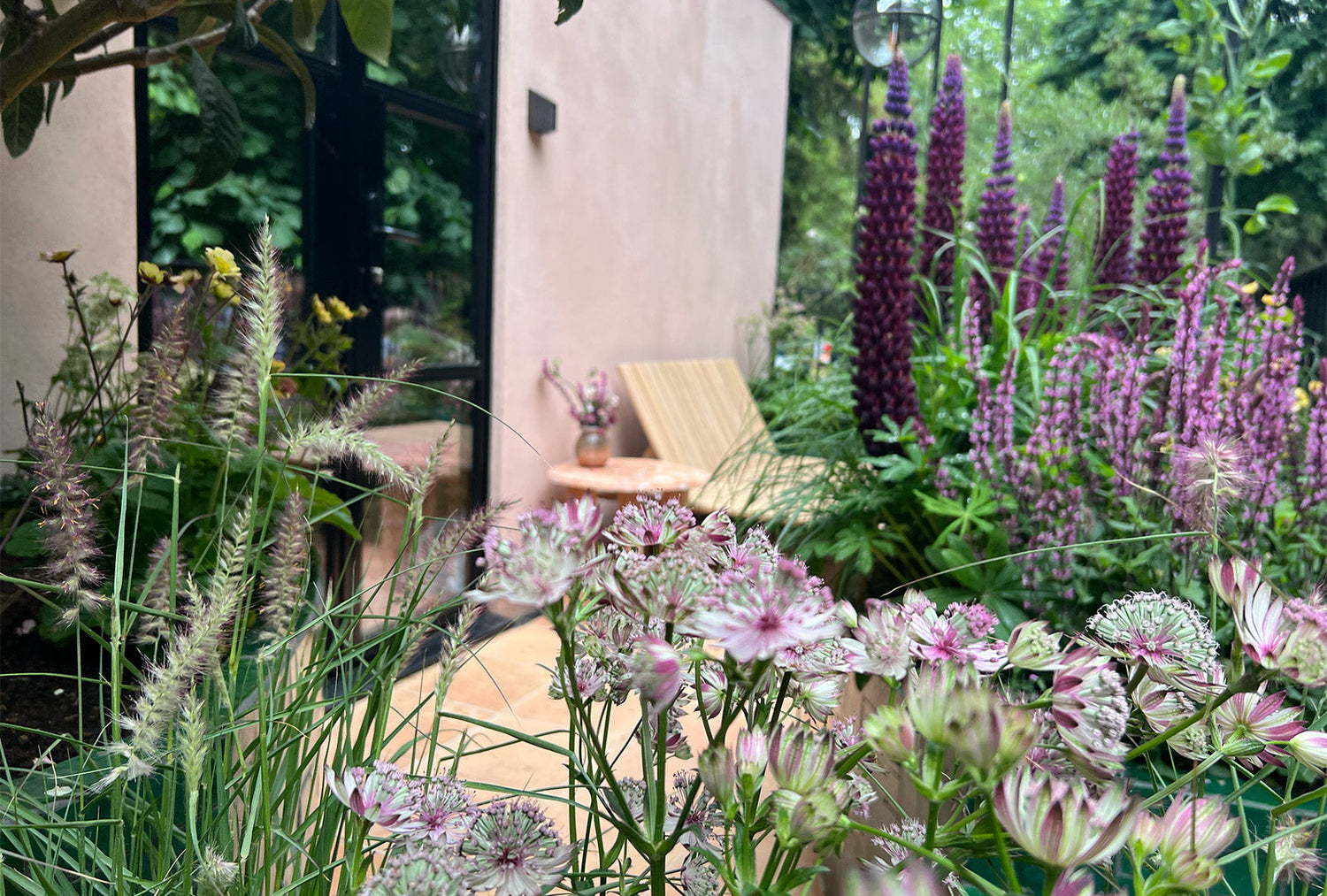
• Astrantia
• Geranium
• Iris
Plant on slight mounds if drainage is poor.
Spring-flowering bulbs
If the ground isn’t frozen solid, late planting is still worthwhile. Just avoid puddled soil and improve drainage in the planting hole.
Evergreens for structure
Choose healthy, well-rooted plants and plant carefully without treading soil too firmly around them.
Looking ahead
Wet winters are becoming more common, and resilient gardening is the way forward. Think raised beds, better soil structure, and plants chosen for real conditions rather than ideal ones.
Gardening in Britain has always been about working with the weather, not against it. This winter is simply asking us to slow down, tread lightly and plan for a strong, well-rooted spring.