


Rosa 'English Miss'
English Miss rose
Couldn't load pickup availability
Supplied as an established plant in a 3 litre pot
Aspect
Full sun
Hardiness
Hardy in most parts of the UK
Flowers
June - September
Soil
Loam, clay, chalk
About this plant
Camellia-like pink blooms with a sweet, spicy scent
-
Description
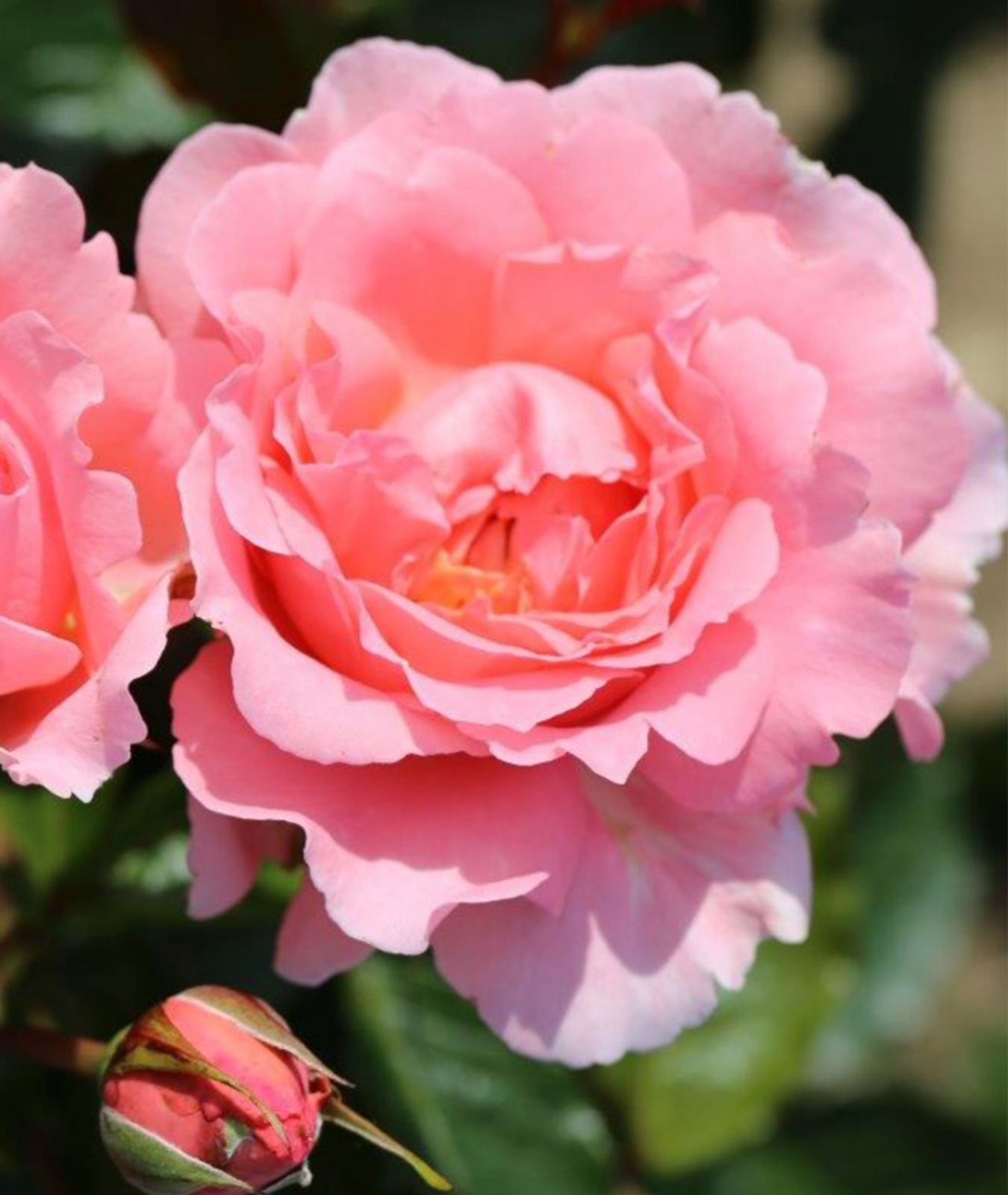
Rosa 'English Miss' is a compact, bushy floribunda rose bearing large clusters of pale pink, camellia-like double blooms with a strong, sweet fragrance carrying a hint of spice. The petals are edged a slightly deeper pink and fade towards near-white as they open to reveal golden stamens, all set against dark green foliage that starts out reddish. Free-flowering and disease-resistant, it repeat-flowers from early summer into autumn, and its neat habit suits beds, borders and containers, as well as the vase.
-
Why we like it
Key features
What makes it special
Long flowering, late spring into summer
Loved by bees & pollinators
Scented
Good for cutting
Specs & details
The particulars
- Botanical name
- Rosa 'English Miss'
- Common name
- English Miss rose
- Supplied as
- 3 litre pot
- Flower colour
- Pink
- Eventual height
- 60-90cm
- Eventual spread
- 60-75cm
- Flowering period
- June - September
- Habit
- Compact bushy shrub
- Life cycle
- Deciduous shrub
- Hardiness
- Hardy in most parts of the UK
- Aspect
- Full sun
- Soil type
- Loam, clay, chalk
- Moisture
- Moist but well-drained
- Position
- Front border, rose garden, patio container
- Plant spacing
- Space around 50 to 60cm apart, or a little closer for a low group.
- Growing skill
- Easy to grow
Plant calendar
When to plant, when it performs
Planting & care
Help it thrive
Planting guide
Plant in fertile, well-drained soil in a sunny position for best flowering. Water thoroughly after planting and keep newly planted roses well watered during dry periods. Feed in spring and again in midsummer to encourage healthy growth and repeat blooms.
Care tips
Deadhead spent flowers regularly to prolong blooming. Feed with a balanced rose fertiliser during the growing season and monitor for aphids or black spot in humid weather.
Winter care
Prune lightly in late winter or early spring to shape the plant and remove damaged stems. Apply a mulch of compost or well-rotted manure around the base to protect roots and improve soil condition.