



Lavandula angustifolia 'Munstead'
English lavender
Couldn't load pickup availability
Supplied as an established plant in a 2 litre pot
Aspect
Full sun
Hardiness
Fully hardy in most UK gardens.
Flowers
June - August
Soil
Loam, chalk, sandy soil
About this plant
A scented cottage-garden classic for bees
-
Description
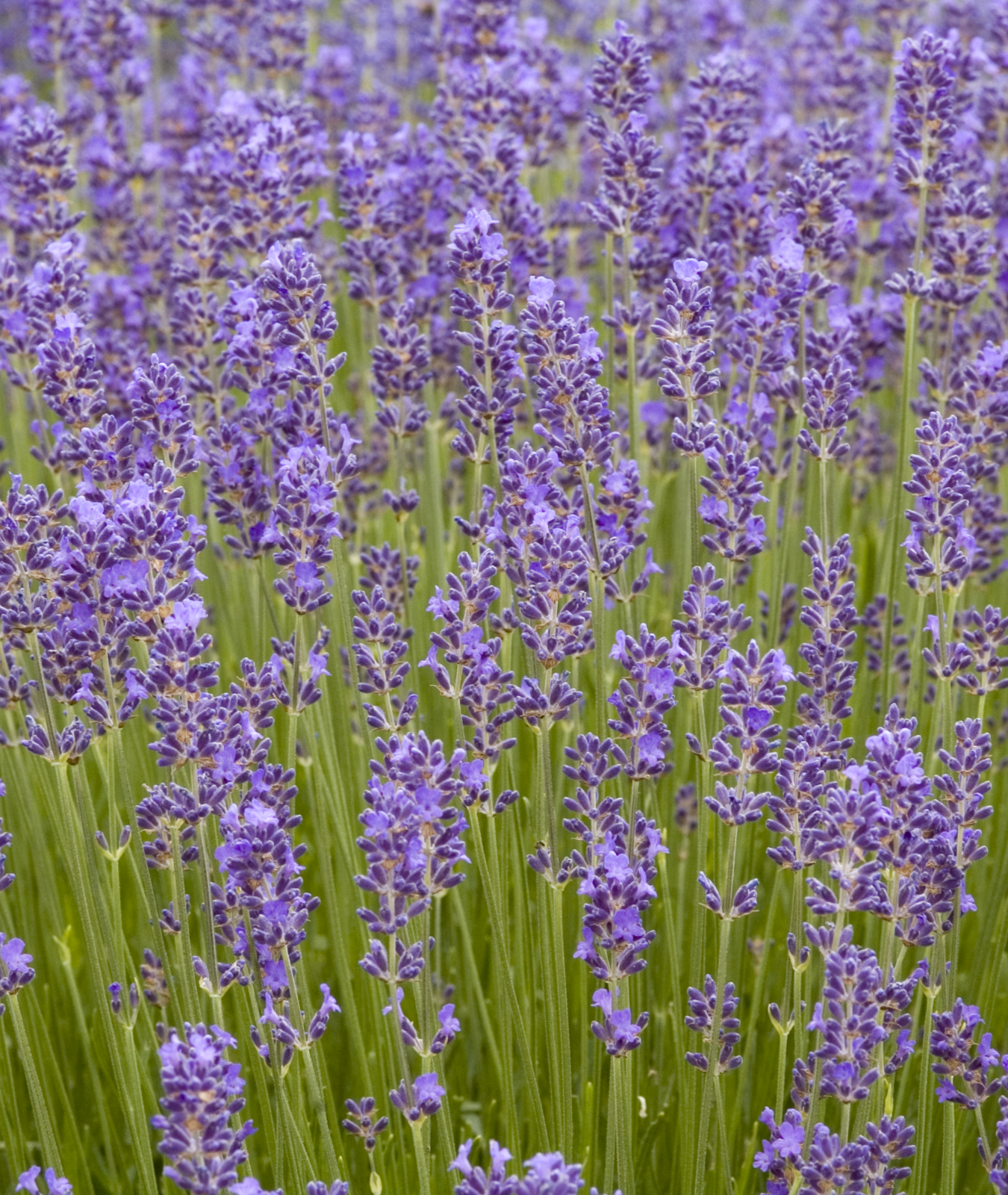
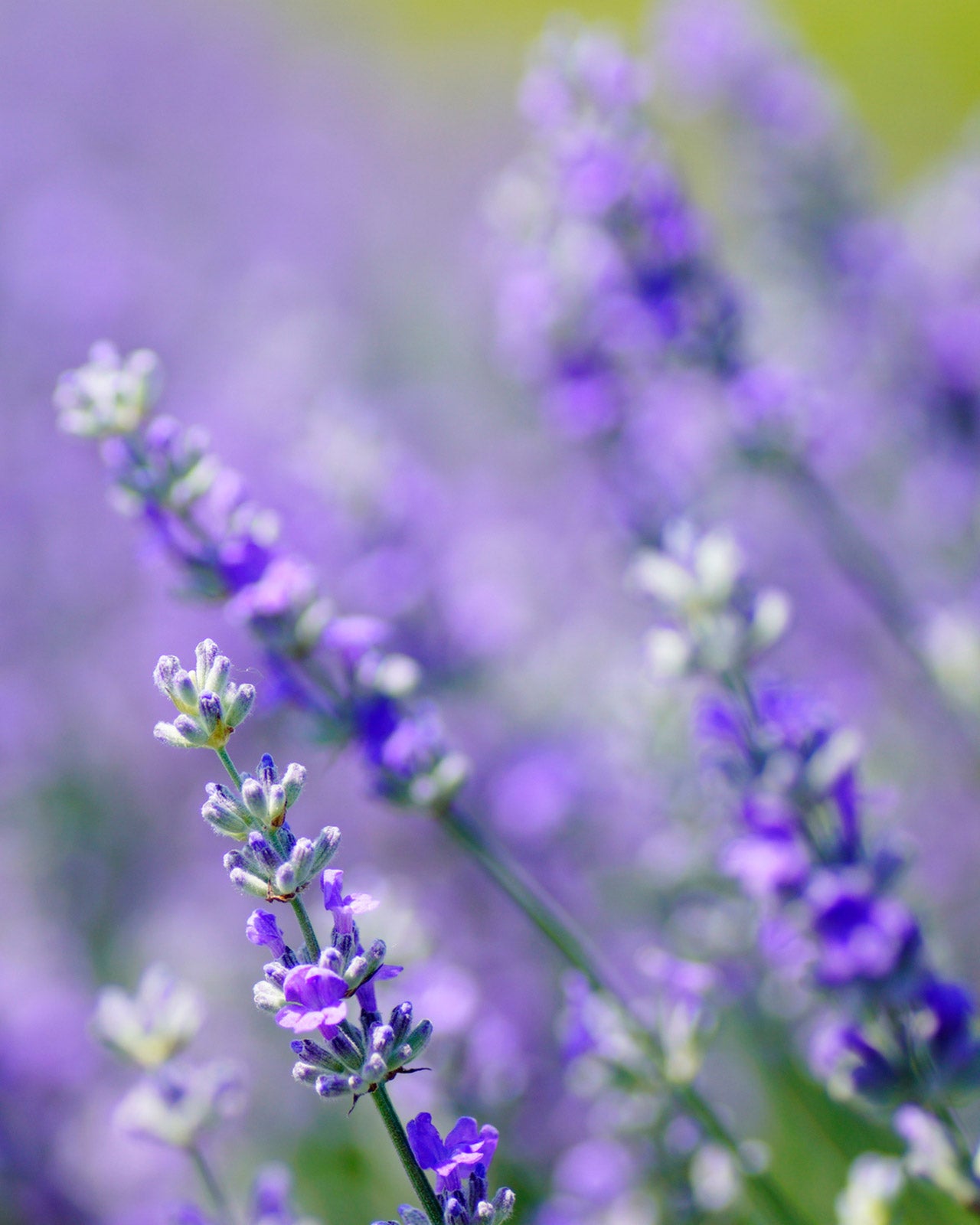
Lavandula angustifolia 'Munstead' is a compact, evergreen English lavender grown for its aromatic silver-grey foliage and dense spikes of highly fragrant blue-purple flowers through summer. A much-loved cottage garden classic introduced by Gertrude Jekyll, it forms a neat, rounded, woody-based mound and draws in bees and butterflies in great numbers. The flowers and leaves are wonderfully scented, cut and dry beautifully, and it works as beautifully clipped into a low hedge or path edging as it does among mixed border planting.
-
Why we like it
Key features
What makes it special
Evergreen, year-round interest
Scented
Loved by bees & pollinators
Specs & details
The particulars
- Botanical name
- Lavandula angustifolia 'Munstead'
- Common name
- English lavender
- Supplied as
- 2 litre pot
- Flower colour
- Purple
- Eventual height
- 45-60cm
- Eventual spread
- 45-60cm
- Flowering period
- June - August
- Habit
- Compact bushy shrub
- Life cycle
- Evergreen shrub
- Hardiness
- Fully hardy in most UK gardens.
- Aspect
- Full sun
- Soil type
- Loam, chalk, sandy soil
- Moisture
- Dry to moist but well-drained
- Position
- Border edge, gravel garden, patio pot
- Plant spacing
- Space around 30cm apart for a low hedge, or 40 to 45cm apart in borders.
- Growing skill
- Easy to grow
Plant calendar
When to plant, when it performs
Planting & care
Help it thrive
Planting guide
Plant in spring or early autumn in free-draining soil and a sunny position. Space plants well to encourage airflow and avoid overly rich soil, which can reduce flowering and compact growth.
Care tips
Trim lightly after flowering to maintain a neat shape. Avoid overwatering once established and feed sparingly to encourage strong scent and flower production.
Winter care
Ensure plants remain in well-drained soil during winter to prevent root rot. Lightly trim after flowering but avoid cutting into old wood late in the season.