



Verbena bonariensis
Purpletop vervain
Couldn't load pickup availability
Supplied as an established plant in a 3 litre pot
Aspect
Full sun
Hardiness
Reasonably hardy, but short-lived. Needs sharp drainage.
Flowers
Summer
Soil
Loam, sand, chalk
About this plant
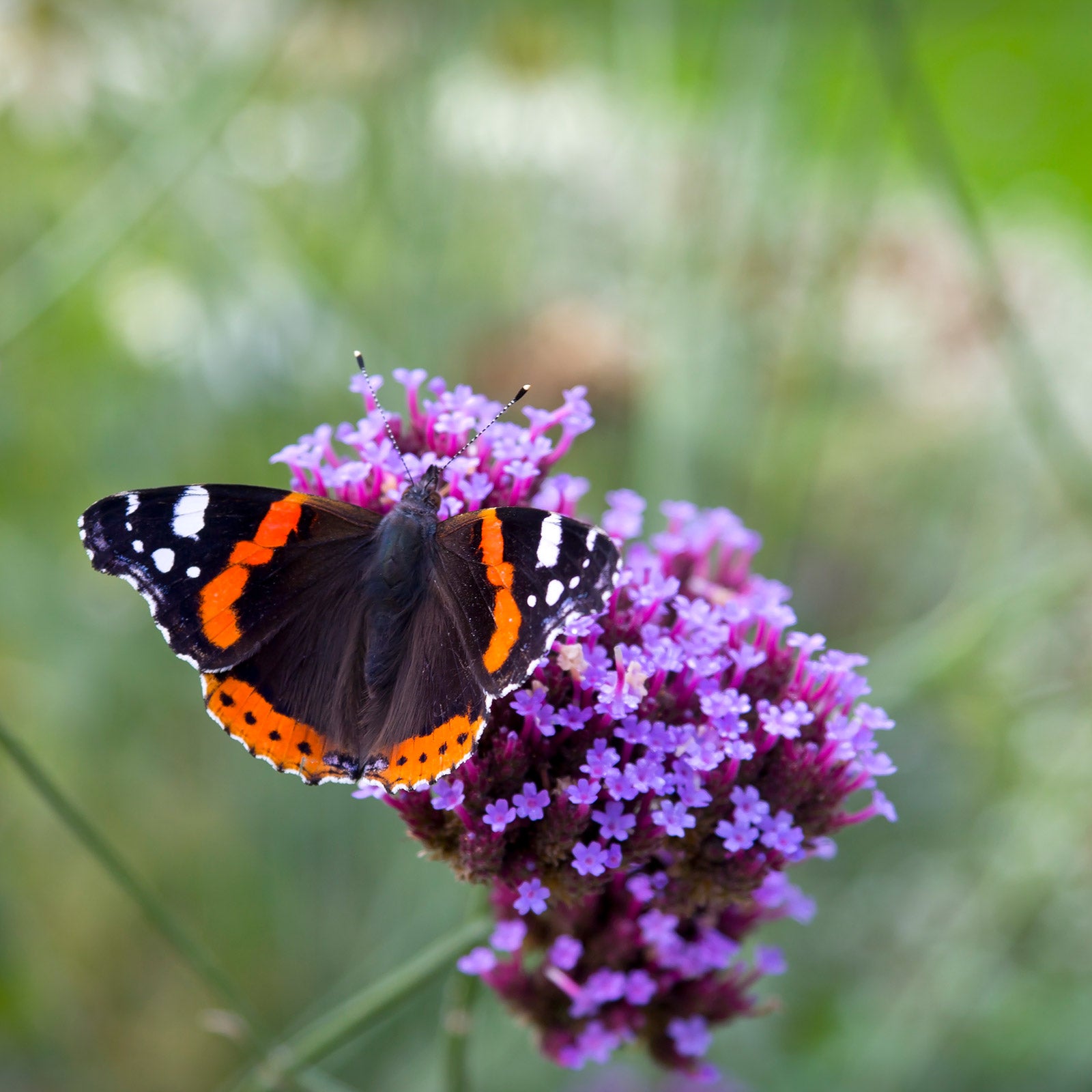
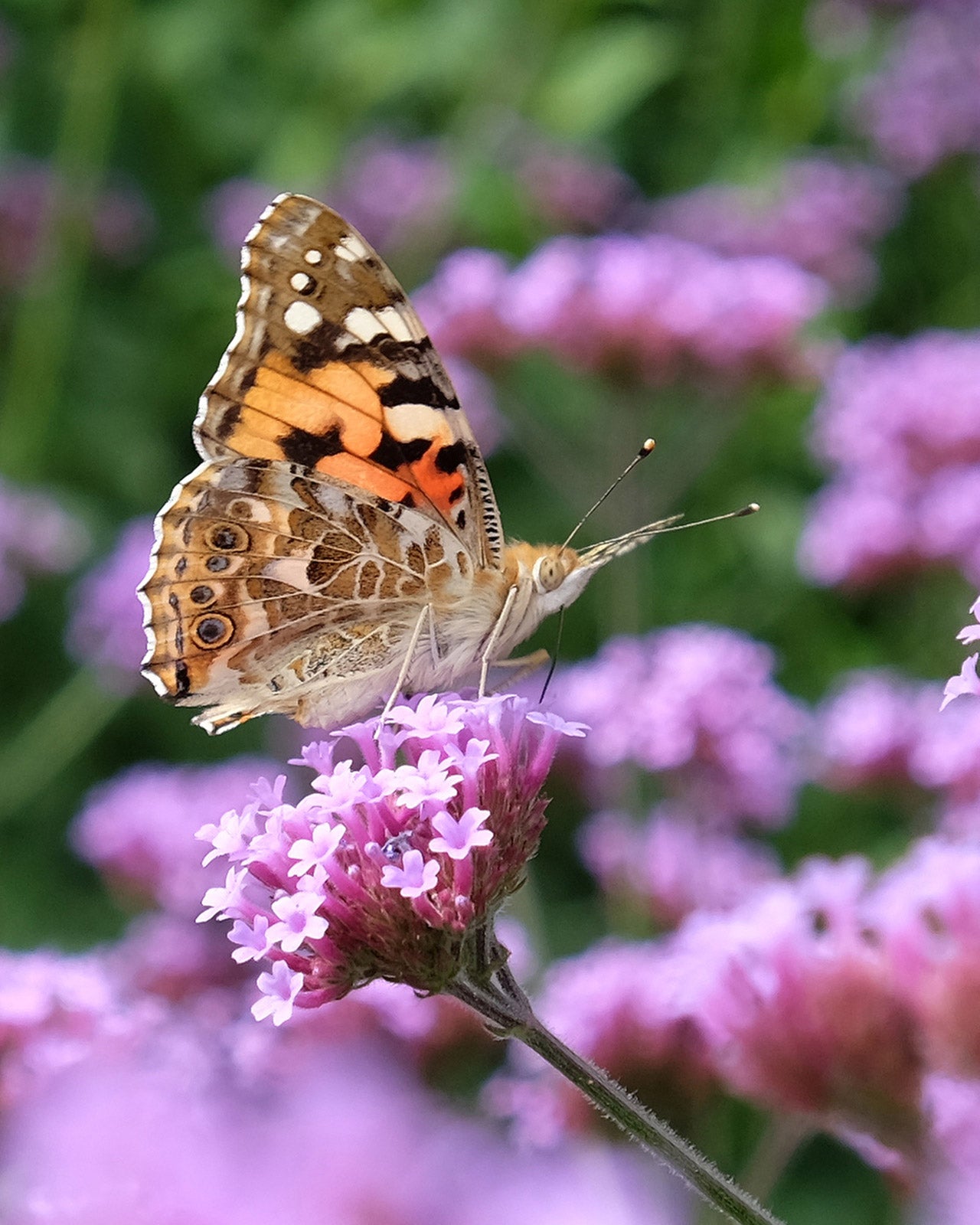
A haze of purple, alive with butterflies
-
Description
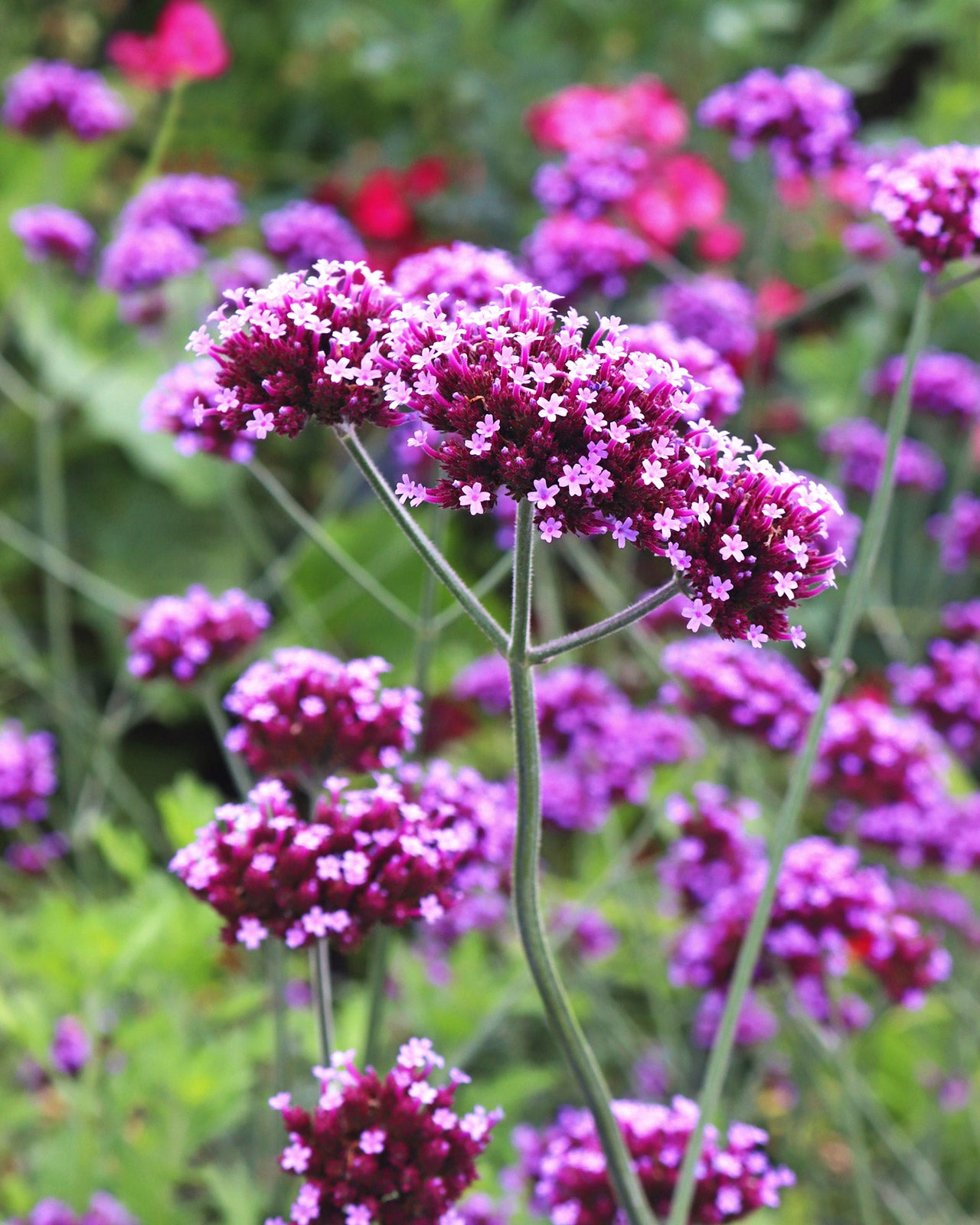
Verbena bonariensis is a tall, airy perennial grown for its clouds of small, lilac-purple flower clusters held high on slender, wiry, branching stems. Rising above a low basal clump of dark green leaves, the near-leafless stems give a wonderful see-through quality, adding height, movement and haze to a border without blocking the view of the plants behind. Flowering from midsummer right through to the first frosts, its nectar-rich blooms are one of the finest of all plants for butterflies and bees. Perfect for cottage, gravel and prairie-style planting.
-
Why we like it
Key features
What makes it special
Loved by bees & pollinators
Long-lasting blooms that persist for months
Good for cutting
Specs & details
The particulars
- Botanical name
- Verbena bonariensis
- Common name
- Purpletop vervain
- Supplied as
- 3 litre pot
- Flower colour
- Purple
- Eventual height
- 1.5-2m
- Eventual spread
- 40-50cm
- Flowering period
- Summer
- Habit
- Upright, airy, clump-forming perennial
- Life cycle
- Herbaceous perennial
- Hardiness
- Reasonably hardy, but short-lived. Needs sharp drainage.
- Aspect
- Full sun
- Soil type
- Loam, sand, chalk
- Moisture
- Well-drained
- Position
- Front, mid or back of border, gravel garden, container
- Plant spacing
- Space around 40 to 45cm apart, ideally planted in groups of three or more.
- Growing skill
- Easy to grow
Plant calendar
When to plant, when it performs
Planting & care
Help it thrive
Planting guide
Plant in spring into well-drained soil in full sun, so it can establish before winter. Sharp drainage is key to helping it come through wet winters, so add grit on heavy ground. It tolerates poor soil but flowers well in moderately fertile ground. Pinch out the growing tips of young plants in early summer to encourage bushier, sturdier growth. Water in well and plant in groups for the best effect.
Care tips
Water in the first season to establish, then only in prolonged dry spells, as it is drought-tolerant once settled. Deadhead through the season to prolong flowering and reduce self-seeding, or leave some clusters to set seed for next year's plants. Leave the seedheads over winter and cut back to the base in early spring. Thin out or move any unwanted self-sown seedlings while they are small.
Winter care
Leave the stems and seedheads standing over winter, both for their frosted structure and to shelter insects, then cut back to the base in early spring. It can be short-lived and dislikes cold, wet soil, so sharp drainage helps it survive, and a dry winter mulch is worthwhile in colder gardens. It usually keeps itself going by self-seeding, so leave some seedheads and avoid disturbing the soil around it in spring.