



Helenium 'Hot Lava'
Sneezeweed
Couldn't load pickup availability
Supplied as an established plant in a 3 litre pot

Aspect
Full sun
Hardiness
Fully hardy in most parts of the UK.
Flowers
Summer to autumn
Soil
Loam, clay
About this plant
Fiery colour from July to October
-
Description
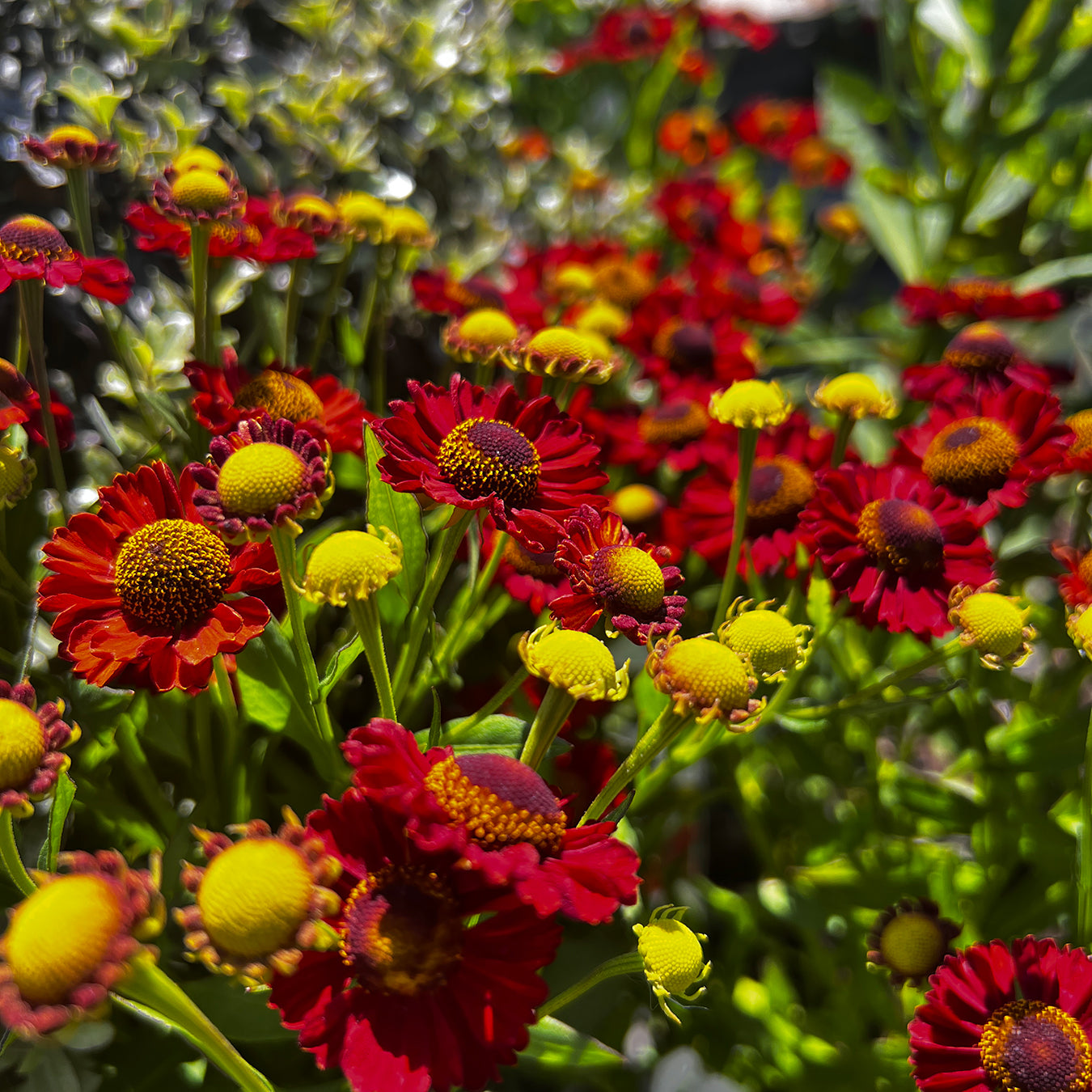
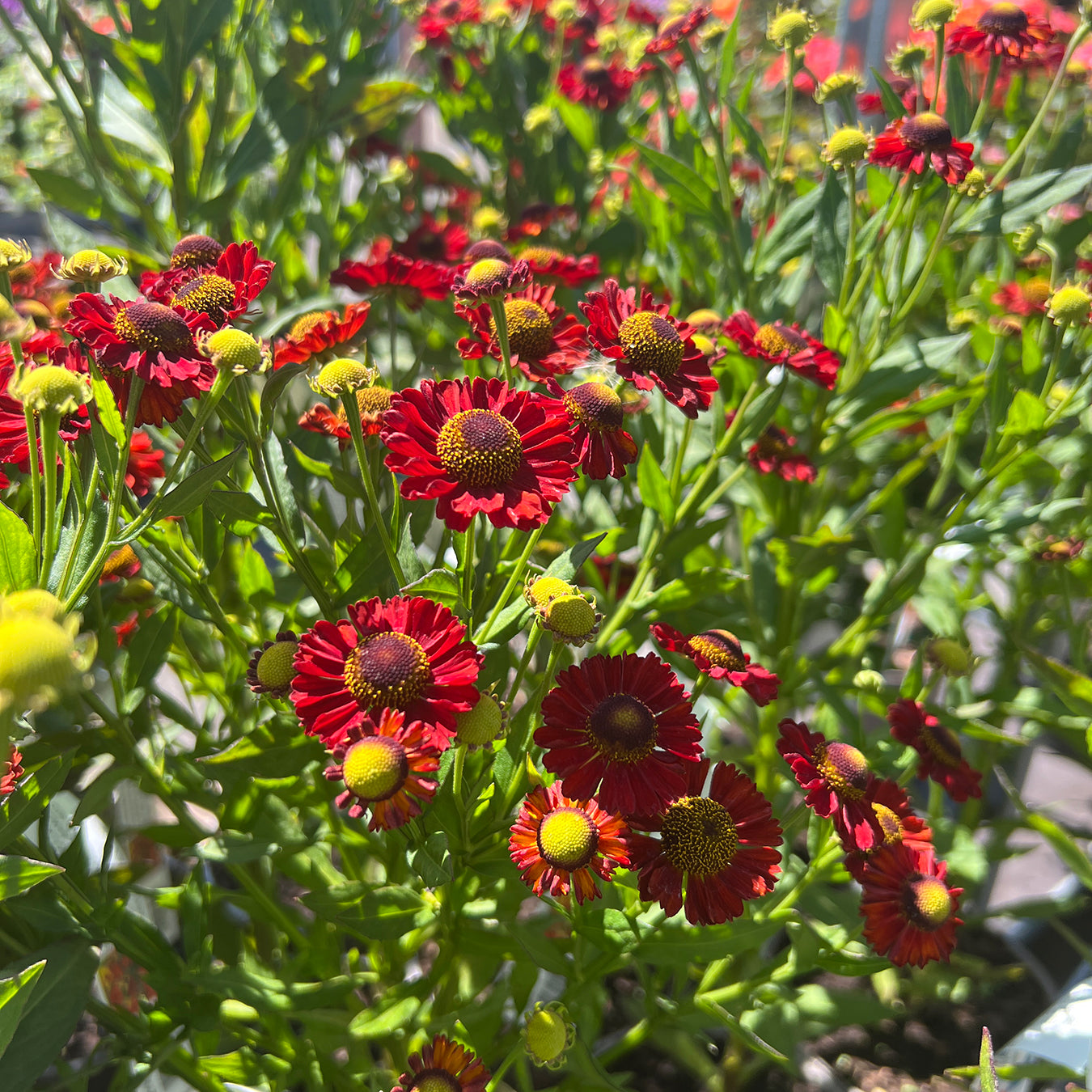
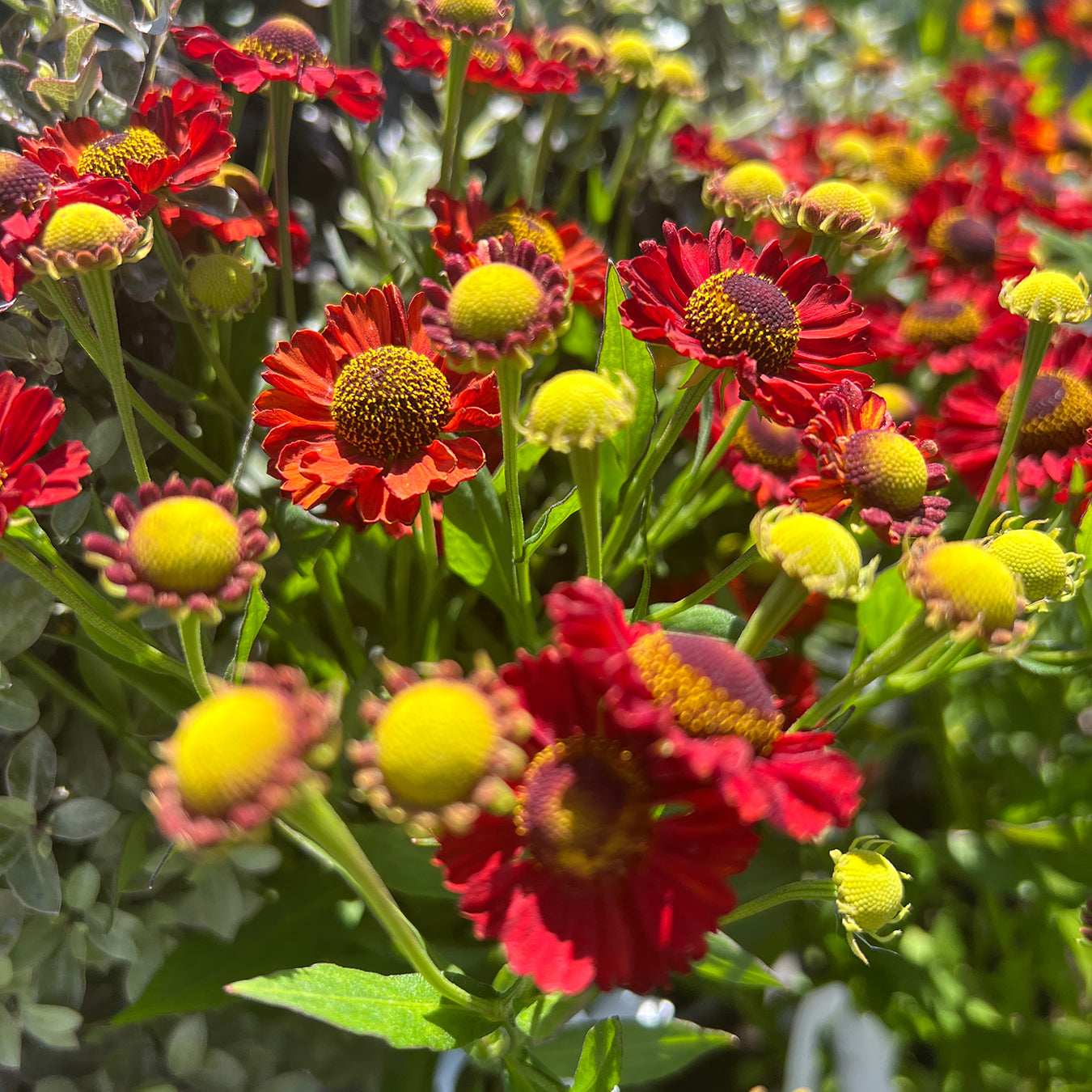
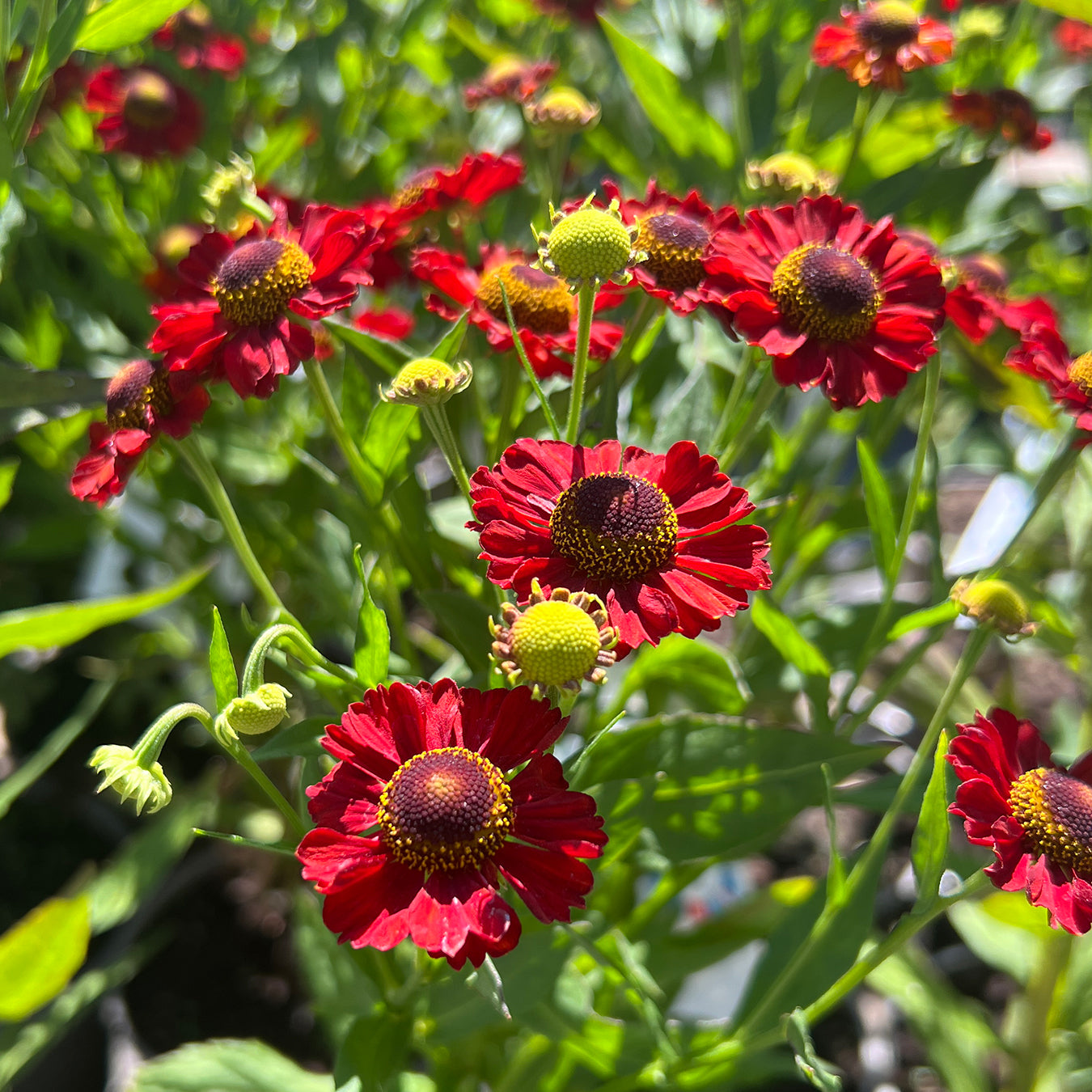
Helenium 'Hot Lava' is a fiery, clump-forming perennial whose flowers open yellow streaked with red, deepen to rich crimson and then soften to burnt orange, so the plant carries several shades at once. The petals are held flat rather than drooping, giving each bloom a bold, full-faced look from midsummer well into autumn. Bees, hoverflies and butterflies visit constantly, and the sturdy stems make excellent cut flowers.
-
Why we like it
Key features
What makes it special
Fully hardy — comes back every year
Good for cutting
Loved by bees & pollinators
Long-lasting blooms that persist for months
Specs & details
The particulars
- Botanical name
- Helenium 'Hot Lava'
- Common name
- Sneezeweed
- Supplied as
- 3 litre pot
- Flower colour
- Red
- Eventual height
- 70-90cm
- Eventual spread
- 40-50cm
- Flowering period
- Summer to autumn
- Habit
- Upright clump-forming perennial
- Life cycle
- Herbaceous perennial
- Hardiness
- Fully hardy in most parts of the UK.
- Aspect
- Full sun
- Soil type
- Loam, clay
- Moisture
- Moist but well-drained
- Position
- Mid-border
- Plant spacing
- 4 plants per m²
- Growing skill
- Easy to grow
Plant calendar
When to plant, when it performs
Planting & care
Help it thrive
Planting guide
Plant in fertile, moisture-retentive soil in full sun, adding plenty of organic matter to lighter soils. Space plants around 45cm apart and water in well. Avoid very dry, thin soils, which heleniums dislike.
Care tips
Keep well watered in summer dry spells and deadhead regularly to extend flowering. A Chelsea chop in late May gives bushier plants that flower slightly later. Divide clumps every two to three years in spring to keep them vigorous.
Winter care
Fully hardy. Leave the stems standing over winter for structure and wildlife if you like, then cut all growth back to the ground in late winter or early spring before new shoots appear. A mulch of garden compost in autumn feeds the soil and protects the crown.