



Monarda didyma 'Balmy Purple'
Bee balm
Couldn't load pickup availability
Supplied as an established plant in a 3 litre pot

Aspect
Full sun to partial shade
Hardiness
Fully hardy in most parts of the UK.
Flowers
Summer
Soil
Loam, clay
About this plant
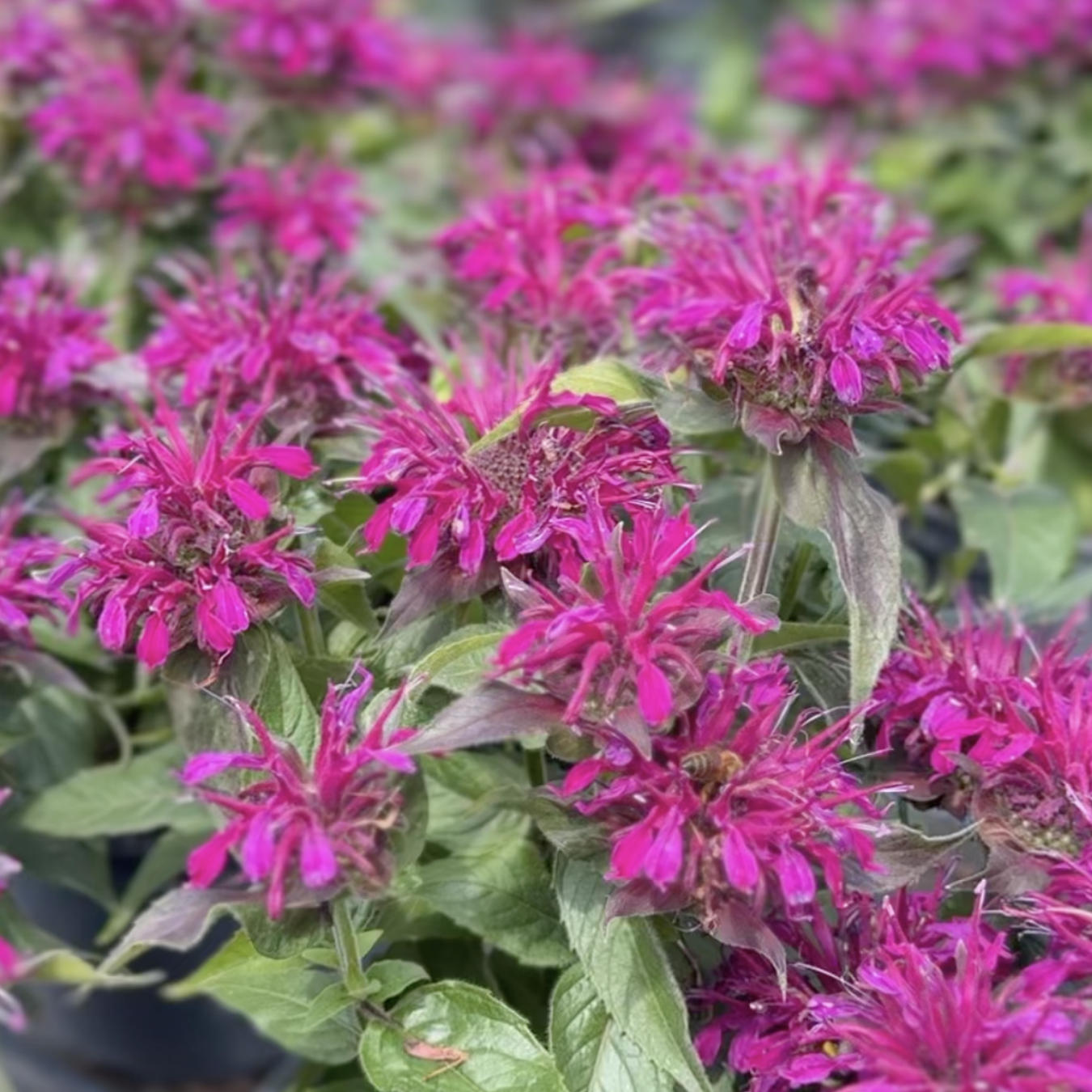
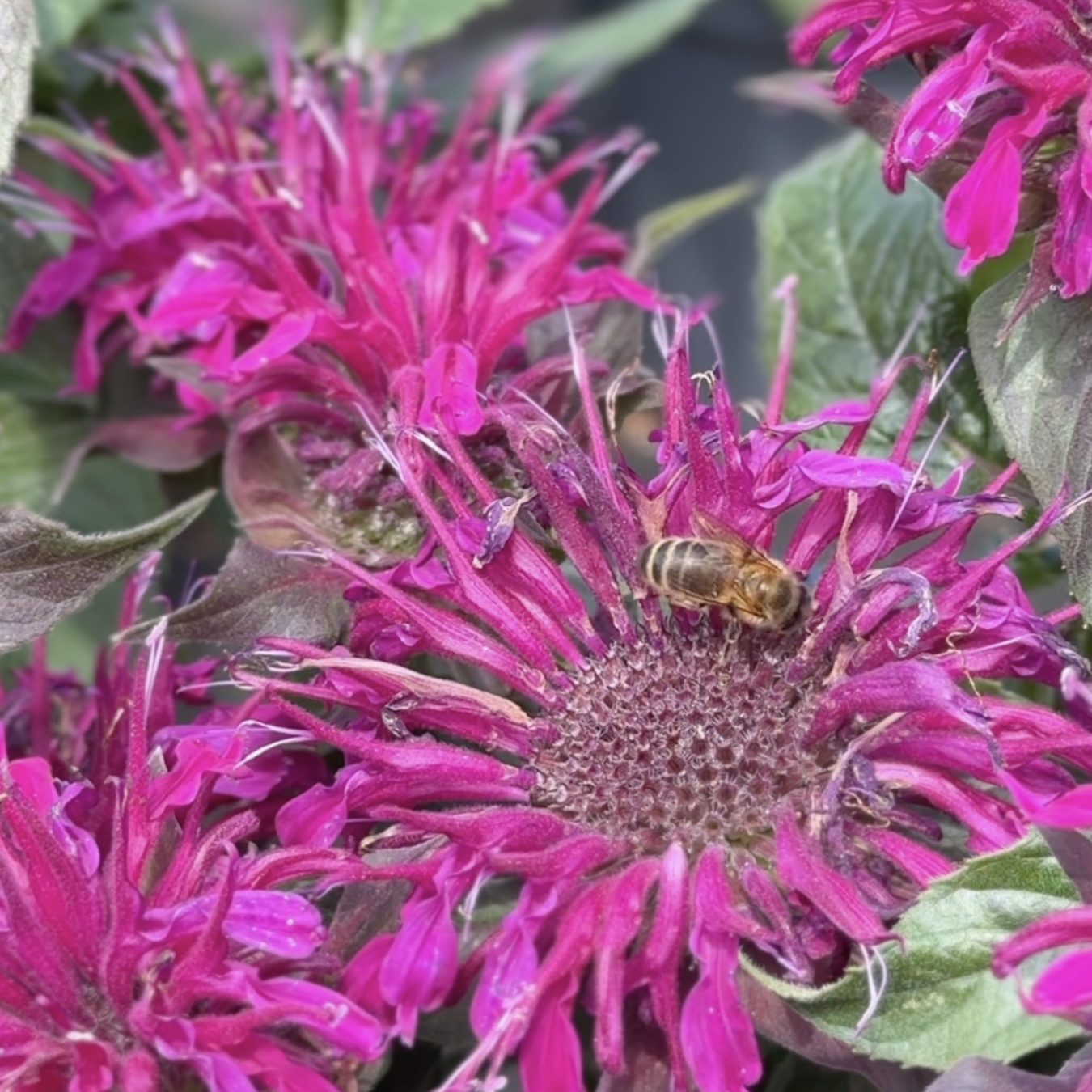
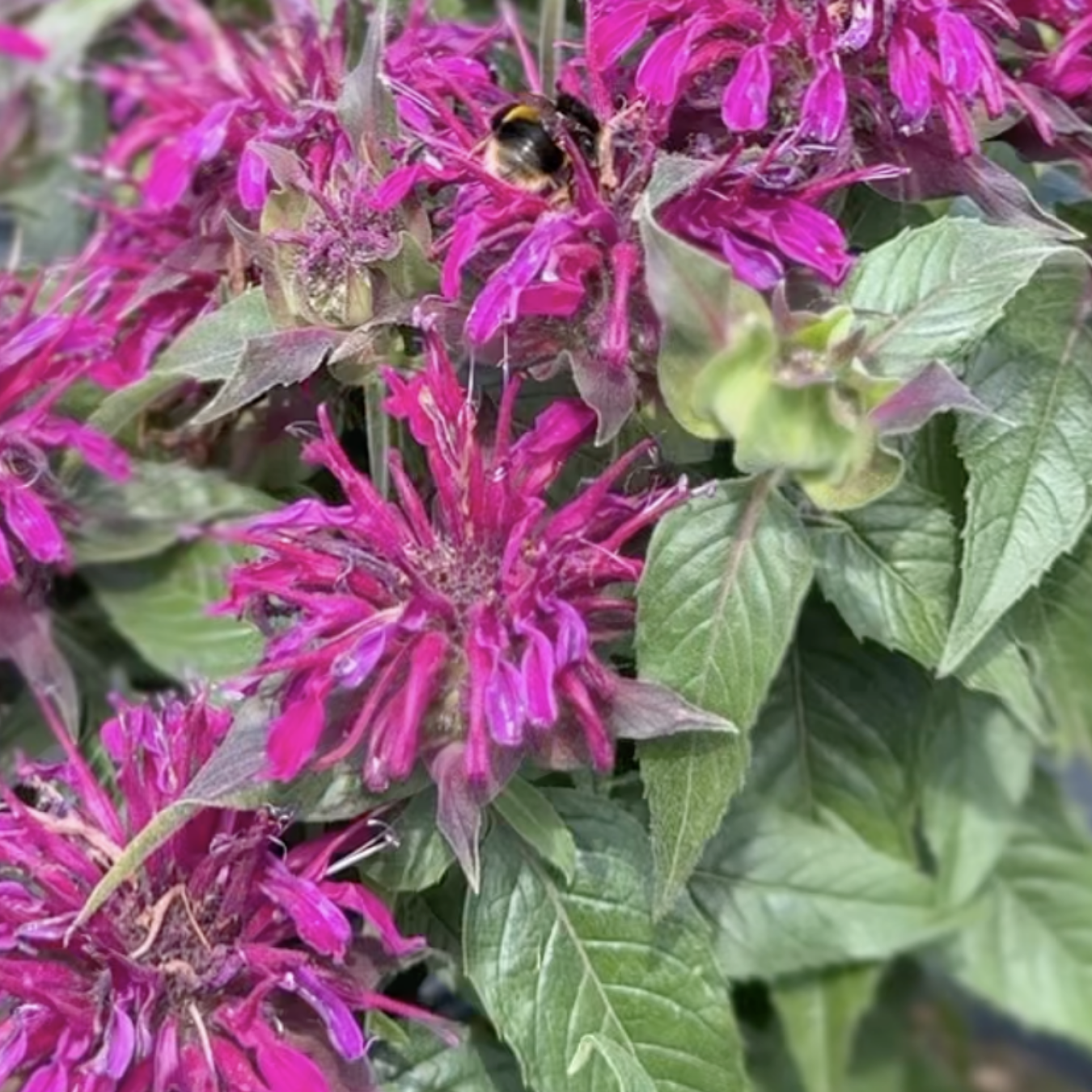
Shaggy purple blooms, buzzing with bees
-
Description
Monarda didyma 'Balmy Purple' is a compact, dwarf bee balm producing shaggy, tufted heads of vivid purple flowers, each ringed by a whorl of colourful bracts and quite unlike anything else in the summer border. Flowering from early summer over aromatic dark green leaves that release a fresh, minty scent when brushed, it draws bees and butterflies in numbers. Bred as part of the Balmy series for its dwarf habit and much improved mildew resistance, it is far easier to live with than older monardas, and small enough for a container or the front of a border.
-
Why we like it
Key features
What makes it special
Loved by bees & pollinators
Good for cutting
Long-lasting blooms that persist for months
Scented
Specs & details
The particulars
- Botanical name
- Monarda didyma 'Balmy Purple'
- Common name
- Bee balm
- Supplied as
- 3 litre pot
- Flower colour
- Purple
- Eventual height
- 25-30cm
- Eventual spread
- 20-25cm
- Flowering period
- Summer
- Habit
- Compact, upright, clump-forming perennial
- Life cycle
- Herbaceous perennial
- Hardiness
- Fully hardy in most parts of the UK.
- Aspect
- Full sun to partial shade
- Soil type
- Loam, clay
- Moisture
- Moist but well-drained
- Position
- Front of border, patio container, wildlife garden
- Plant spacing
- Space around 25 to 30cm apart (approximately 9 plants per m²)
- Growing skill
- Easy to grow
Plant calendar
When to plant, when it performs
Planting & care
Help it thrive
Planting guide
Plant in spring or early autumn into moderately fertile, humus-rich, moist but well-drained soil in full sun or partial shade. It is not fussy about soil type provided it stays reliably moist, so improve light ground with plenty of compost and mulch to hold moisture. Give it space and air movement around the plant, which helps keep mildew at bay. Water in well and space around 25 to 30cm apart.
Care tips
Keep the soil moist through summer and never let it dry out, as drought stress is what brings on powdery mildew. Water at the base rather than over the leaves. Deadhead spent flowers regularly to keep the display going into autumn. Cut back after flowering or in early spring, and divide clumps every three years or so to keep them vigorous, as monardas spread steadily and can lose their centres.