



Penstemon 'Flamingo'
Beard tongue
Couldn't load pickup availability
Supplied as an established plant in a 3 litre pot
Aspect
Full sun to partial shade
Hardiness
Hardy in most areas; leave stems on and mulch in cold gardens.
Flowers
Summer to autumn
Soil
Loam, sand
About this plant
Pink and white spires for months on end
-
Description
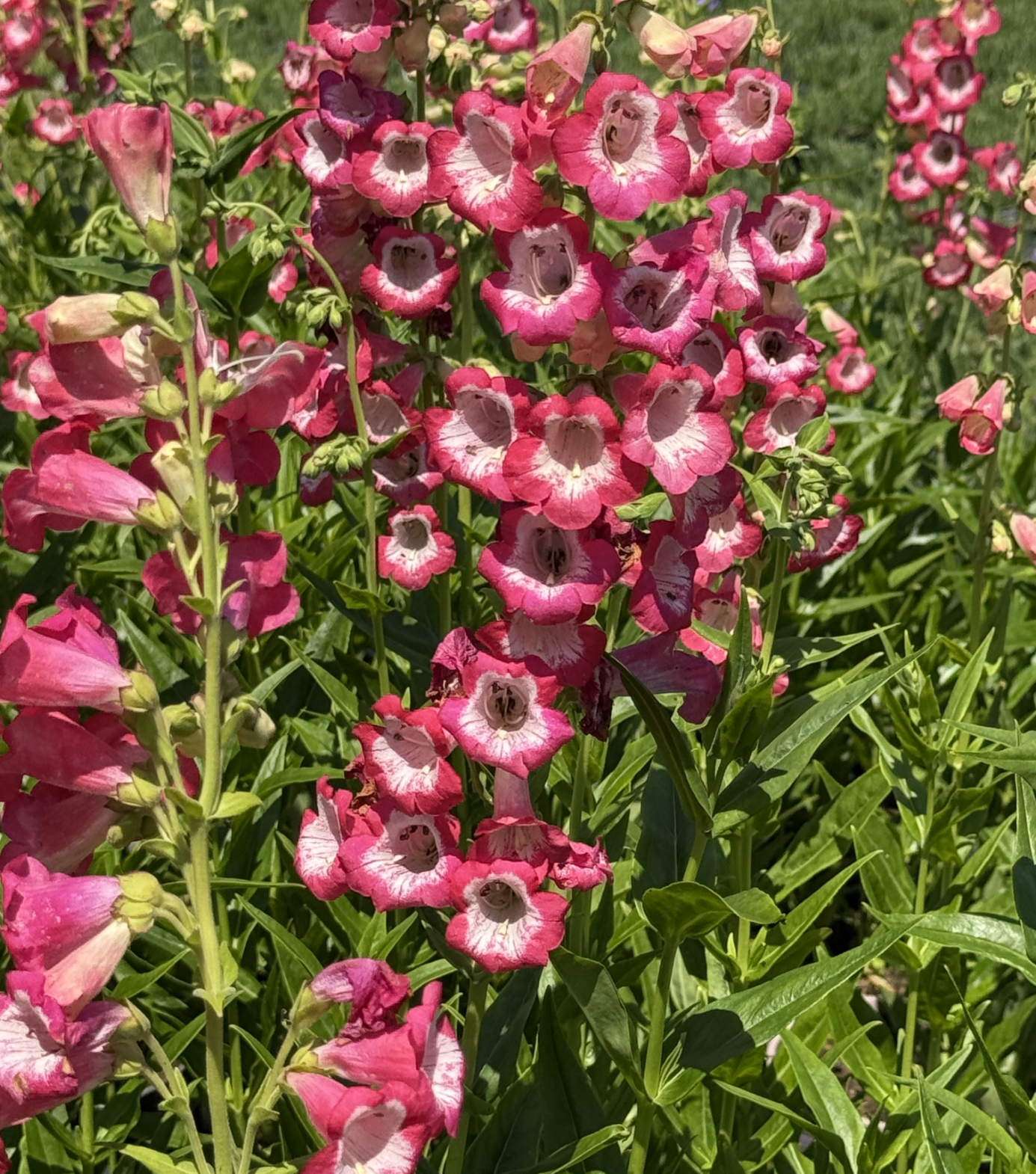
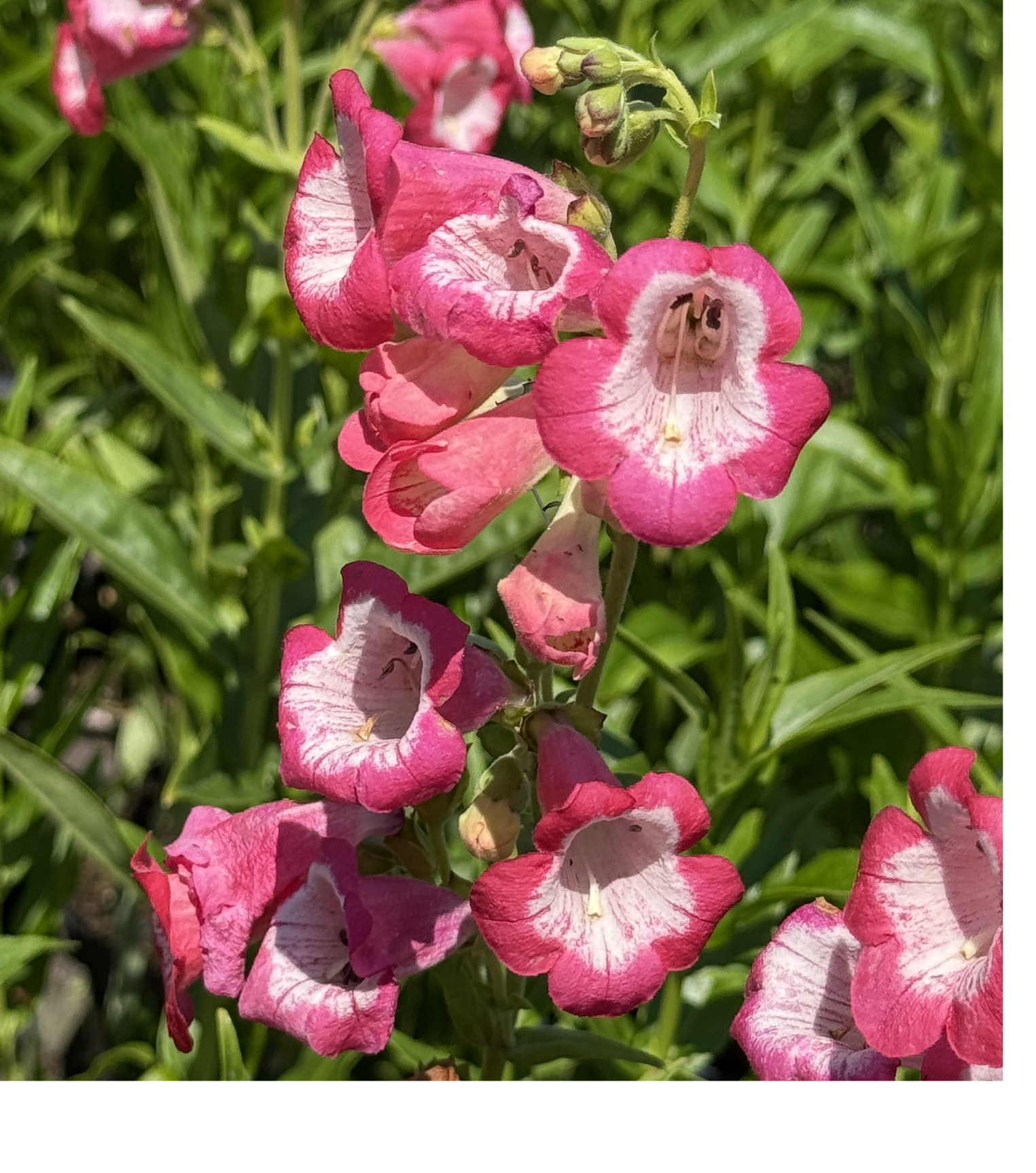
Penstemon 'Flamingo' is an upright, semi-evergreen perennial with spires of large, bell-shaped flowers in bright rose-pink, each with a broad white throat finely marked with deeper carmine. Flowering runs from midsummer well into autumn, and the two-tone blooms give it a fresher, brighter look than the darker penstemons. Bees work the tubular flowers all season.
-
Why we like it
Key features
What makes it special
Loved by bees & pollinators
Good for cutting
Drought tolerant
Long-lasting blooms that persist for months
Specs & details
The particulars
- Botanical name
- Penstemon 'Flamingo'
- Common name
- Beard tongue
- Supplied as
- 3 litre pot
- Flower colour
- Pink
- Eventual height
- 50-75cm
- Eventual spread
- 40-50cm
- Flowering period
- Summer to autumn
- Habit
- Upright, bushy semi-evergreen perennial
- Life cycle
- Semi-evergreen perennial
- Hardiness
- Hardy in most areas; leave stems on and mulch in cold gardens.
- Aspect
- Full sun to partial shade
- Soil type
- Loam, sand
- Moisture
- Well-drained
- Position
- Mid-border, patio container
- Plant spacing
- 4-5 plants per m²
- Growing skill
- Easy to grow
Plant calendar
When to plant, when it performs
Planting & care
Help it thrive
Planting guide
Plant in fertile, free-draining soil in full sun or light shade, working grit into heavy ground since cold, wet winter soil is the main enemy. Space plants around 45cm apart, water in well, and plant in spring where winters are cold.
Care tips
Deadhead faded spires to a leaf joint to keep fresh flushes coming. Take semi-ripe cuttings in mid to late summer as winter insurance. Cut back to basal growth in mid spring and feed.
Winter care
Leave the top growth in place over winter to protect the crown, shortening very tall stems by half in autumn if wind rock is a worry. Cut back hard to strong basal shoots in mid spring once frosts ease. In cold gardens, add a dry mulch around the base in late autumn.