



Erigeron 'Sea Breeze'
Beach aster
Couldn't load pickup availability
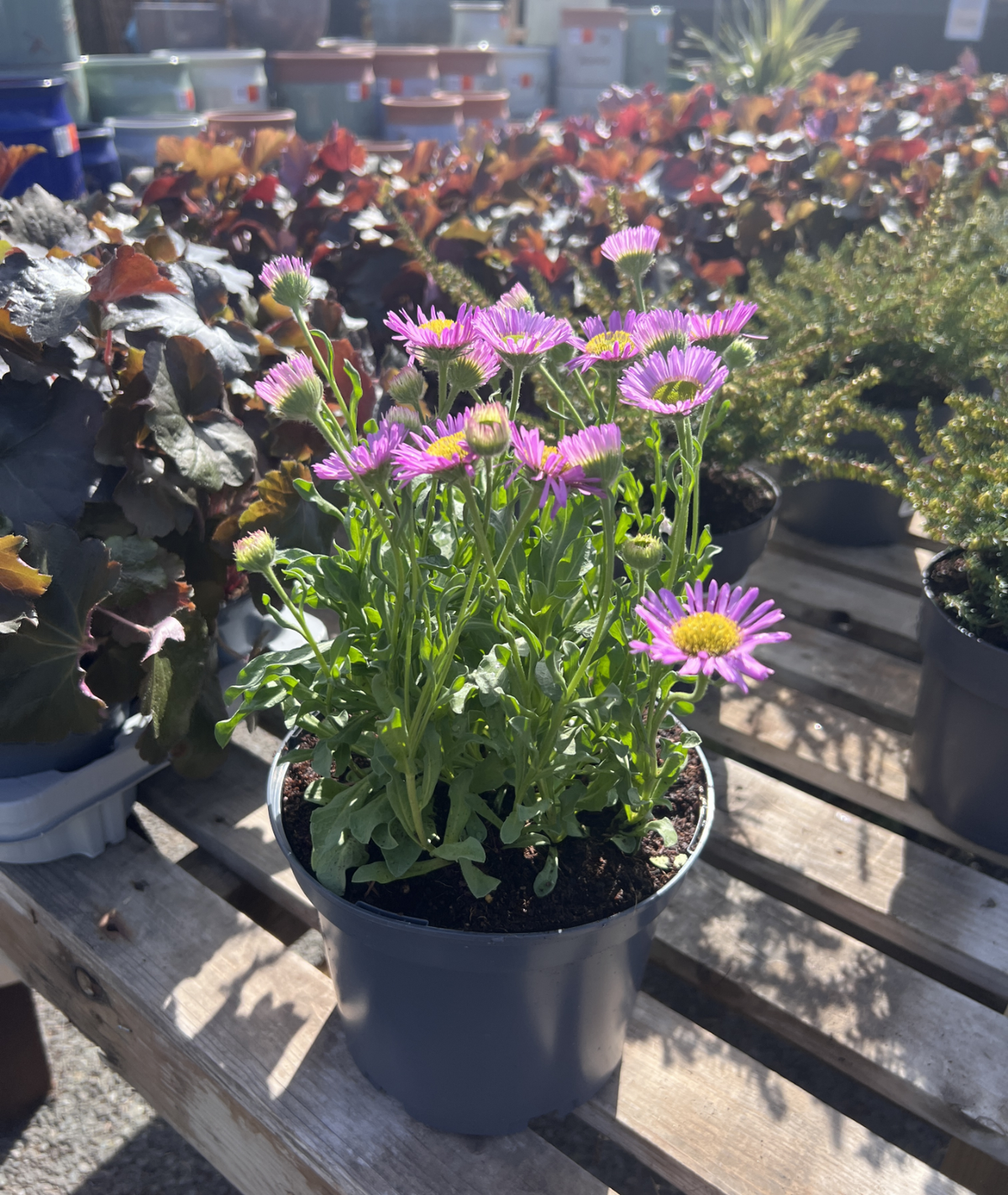
Supplied as an established plant in a 3 litre pot
Aspect
Full sun
Hardiness
Fully hardy in most parts of the UK.
Flowers
Summer
Soil
Loam, sand, chalk
About this plant
Seaside daisies for the toughest spots
-
Description
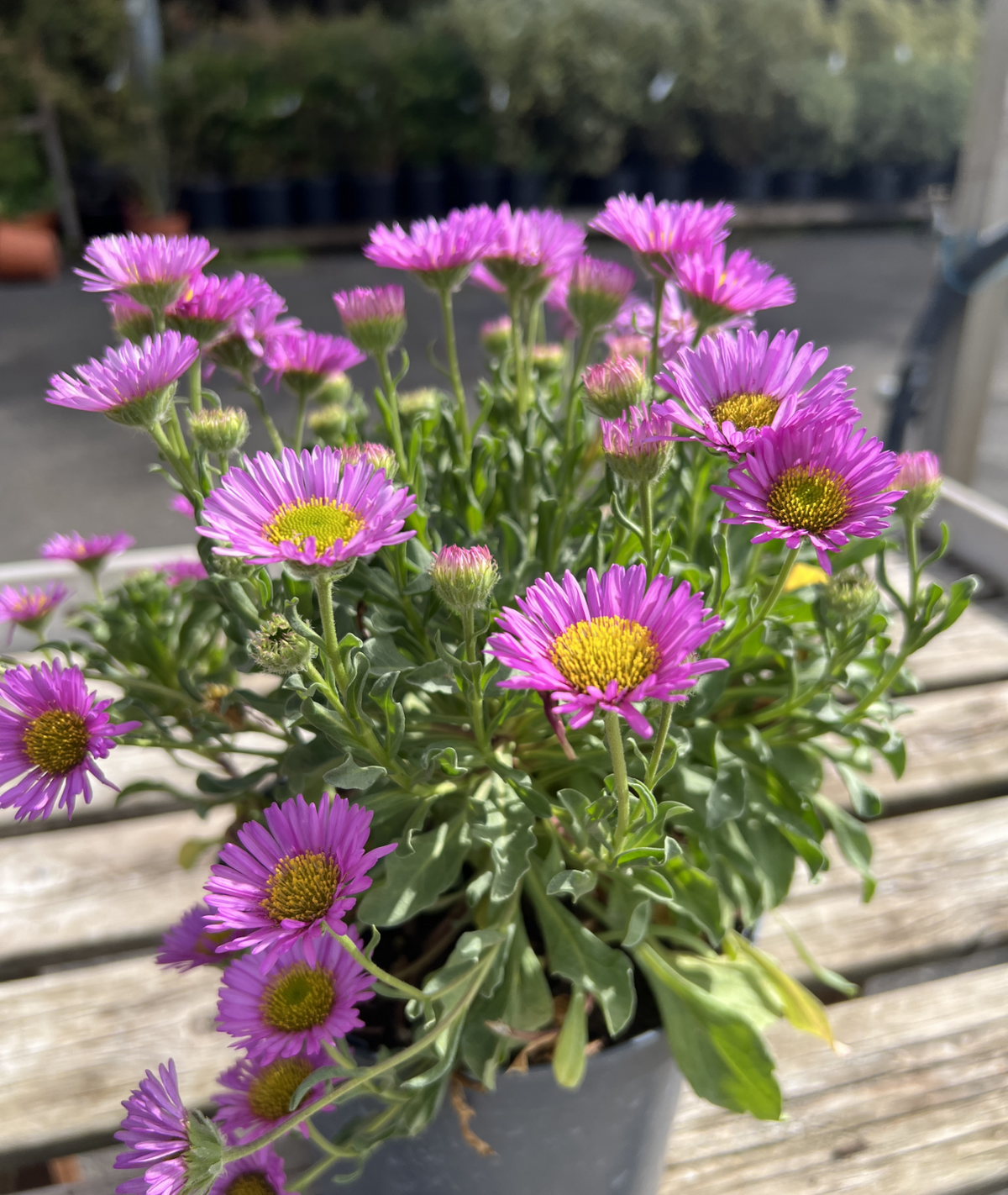
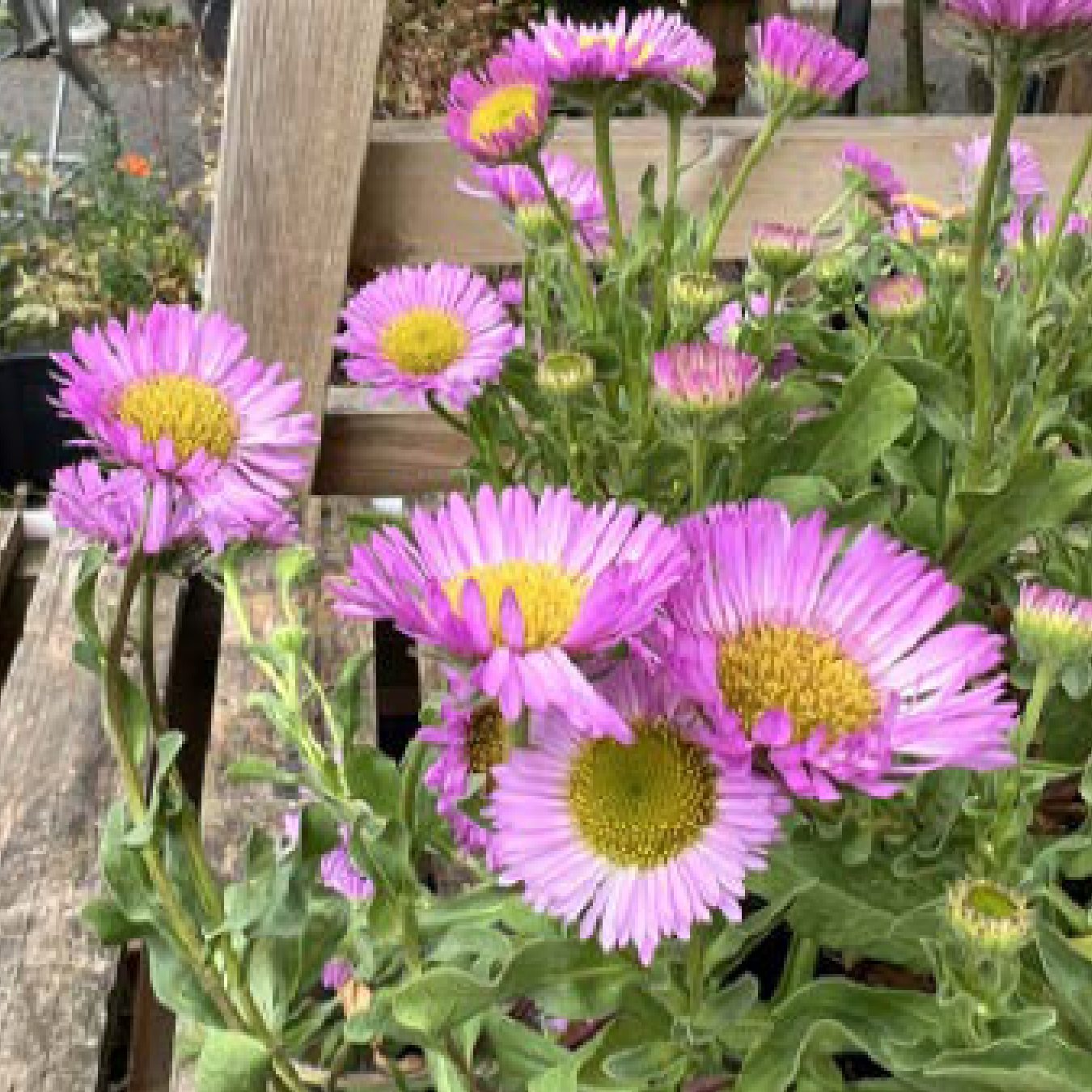
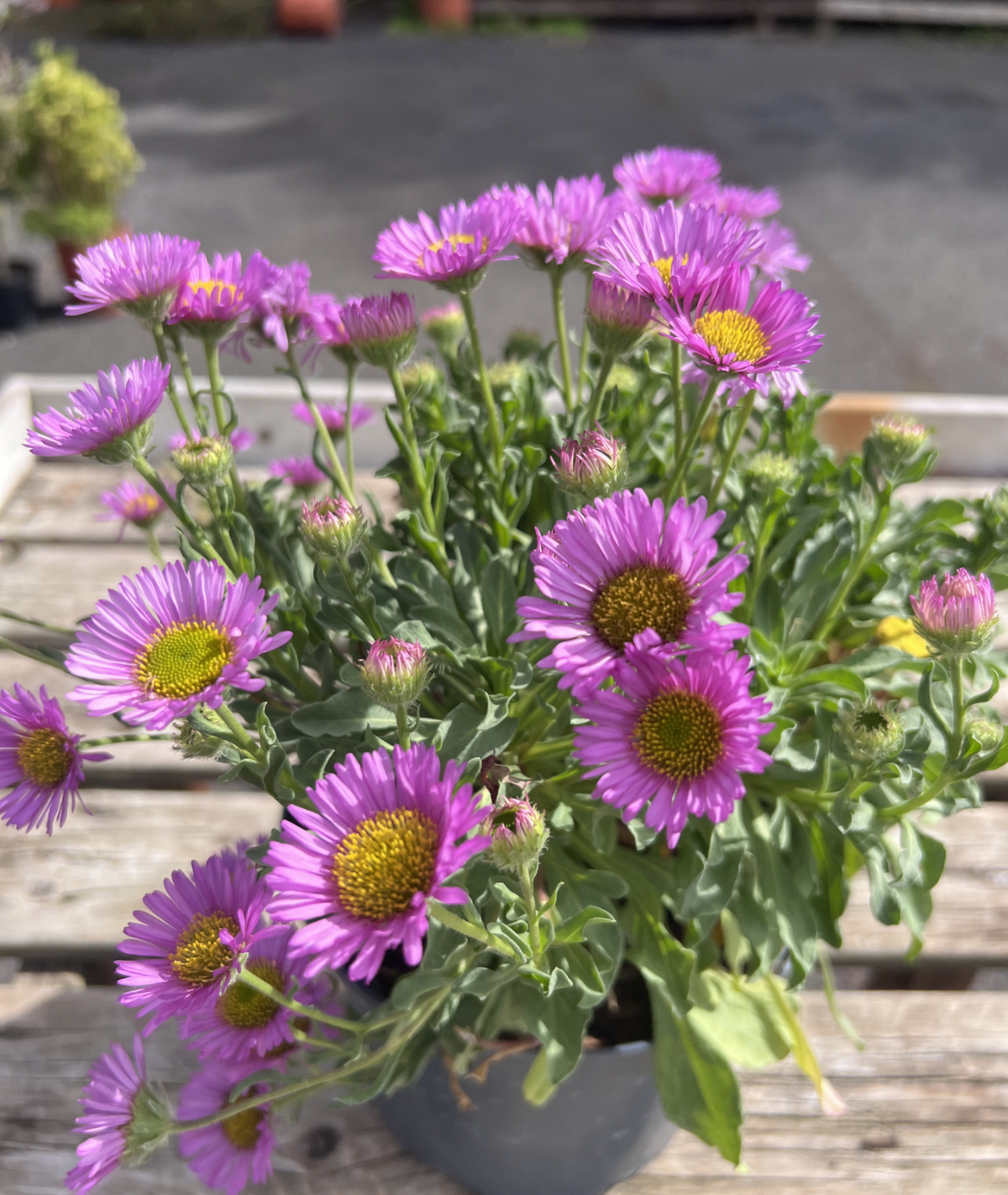
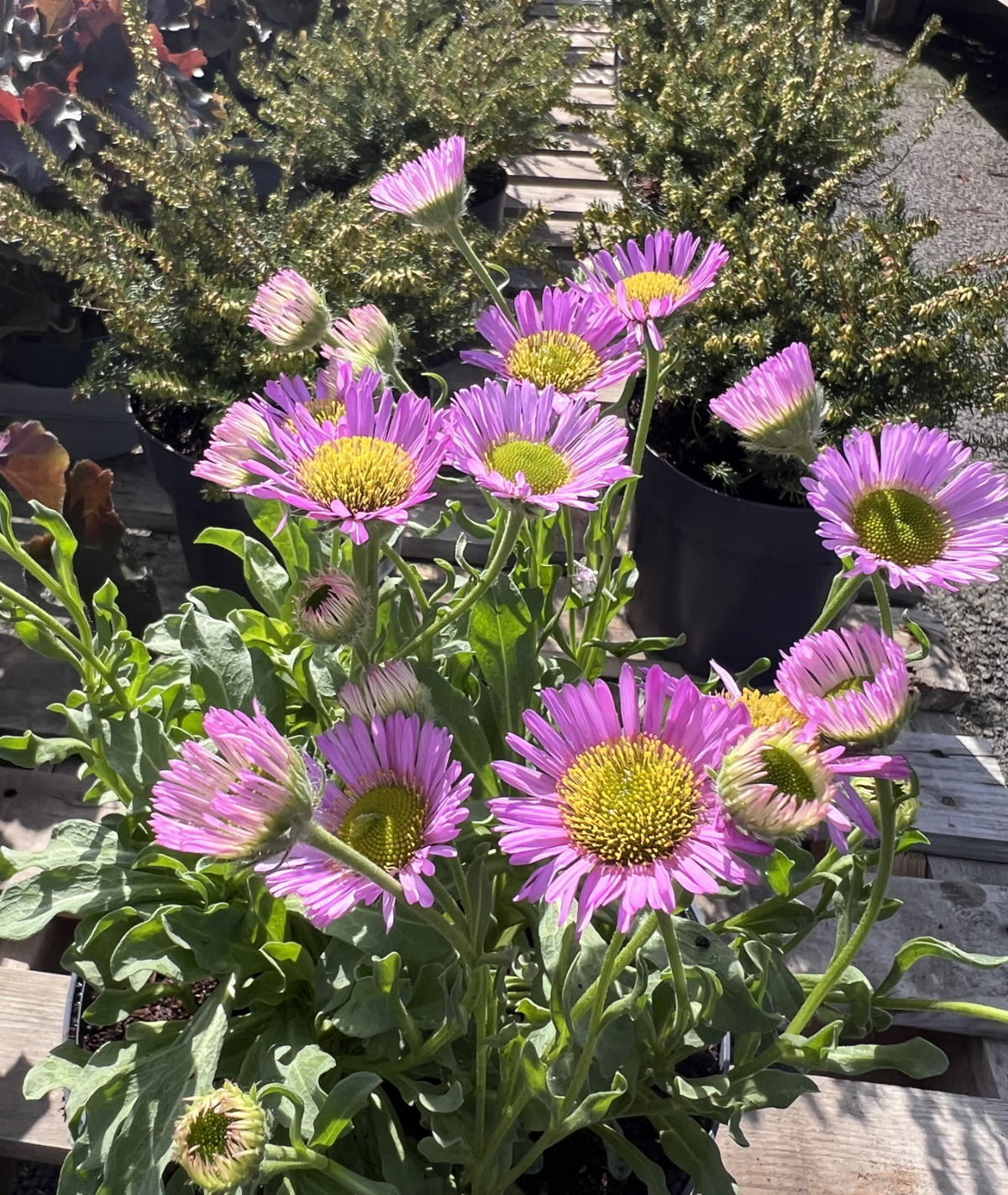
Erigeron glaucus 'Sea Breeze' is a low, spreading perennial that forms a mound of blue-grey leaves covered in lilac-pink, semi-double daisy flowers with yellow centres. It flowers from late spring right through summer, and a quick trim after the first flush brings more flowers. Found wild on coastal cliffs, it copes well with wind, salt air and dry, poor soil, and the flowers are popular with bees and butterflies.
-
Why we like it
Key features
What makes it special
Drought tolerant
Loved by bees & pollinators
Evergreen, year-round interest
Fully hardy — comes back every year
Specs & details
The particulars
- Botanical name
- Erigeron 'Sea Breeze'
- Common name
- Beach aster
- Supplied as
- 3 litre pot
- Flower colour
- Pink
- Eventual height
- 20-30cm
- Eventual spread
- 40-50cm
- Flowering period
- Summer
- Habit
- Low, spreading, carpet-forming perennial
- Life cycle
- Evergreen perennial
- Hardiness
- Fully hardy in most parts of the UK.
- Aspect
- Full sun
- Soil type
- Loam, sand, chalk
- Moisture
- Well-drained
- Position
- Front of border, wall tops, rockeries, patio containers
- Plant spacing
- 5 plants per m²
- Growing skill
- Easy to grow
Plant calendar
When to plant, when it performs
Planting & care
Help it thrive
Planting guide
Plant in any well-drained soil in full sun, spacing plants around 40cm apart. It is ideal for raised beds, wall tops and gravel gardens where drainage is sharp. Water in well and keep watered through the first summer while it establishes.
Care tips
Deadhead or shear over lightly after the first main flush to keep fresh flowers coming. Trim the plant back in spring to keep it compact. It will gently self-seed if you let a few flowers stand.
Winter care
Very little needed. Leave the evergreen foliage in place over winter and simply tidy the plant in spring, trimming back any straggly or winter-worn growth. Good drainage is the key to getting it through cold, wet winters.