



Eryngium 'Blue Hobbit'
Sea Holly
Couldn't load pickup availability
Supplied as an established plant in a 3 litre pot
Aspect
Full sun
Hardiness
Fully hardy in most parts of the UK
Flowers
July - September
Soil
Loam, sandy, chalk
About this plant
-
Description
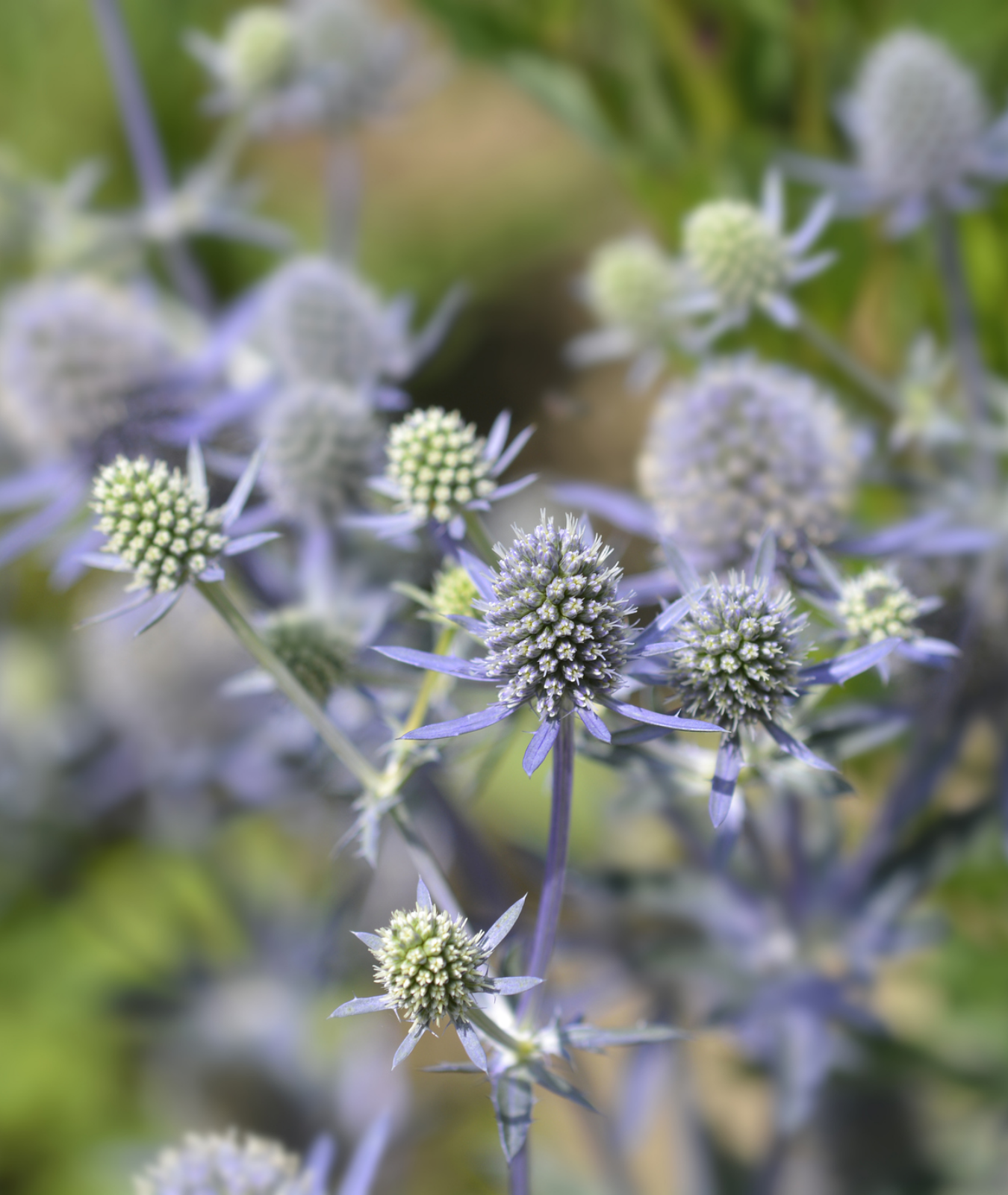
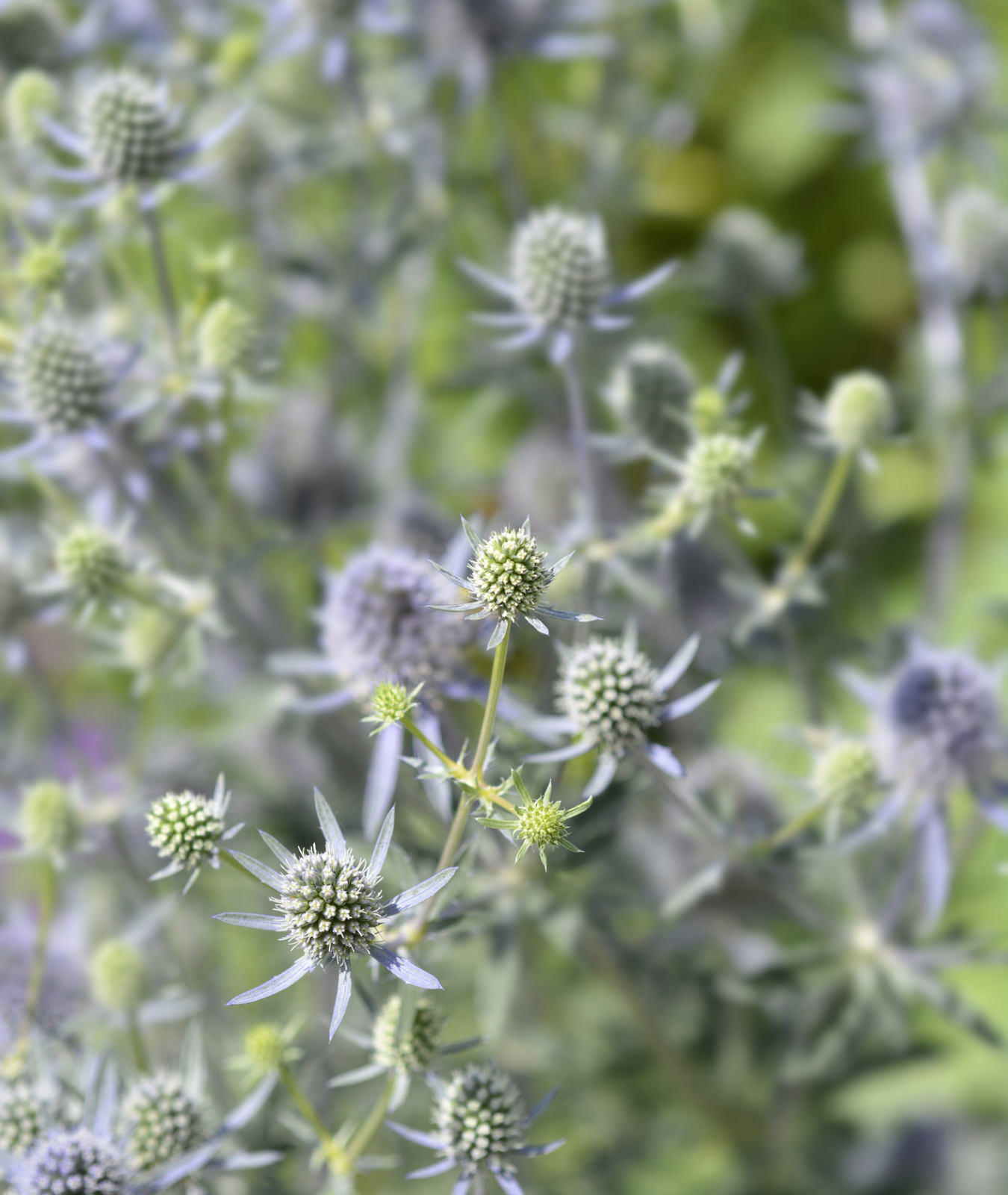
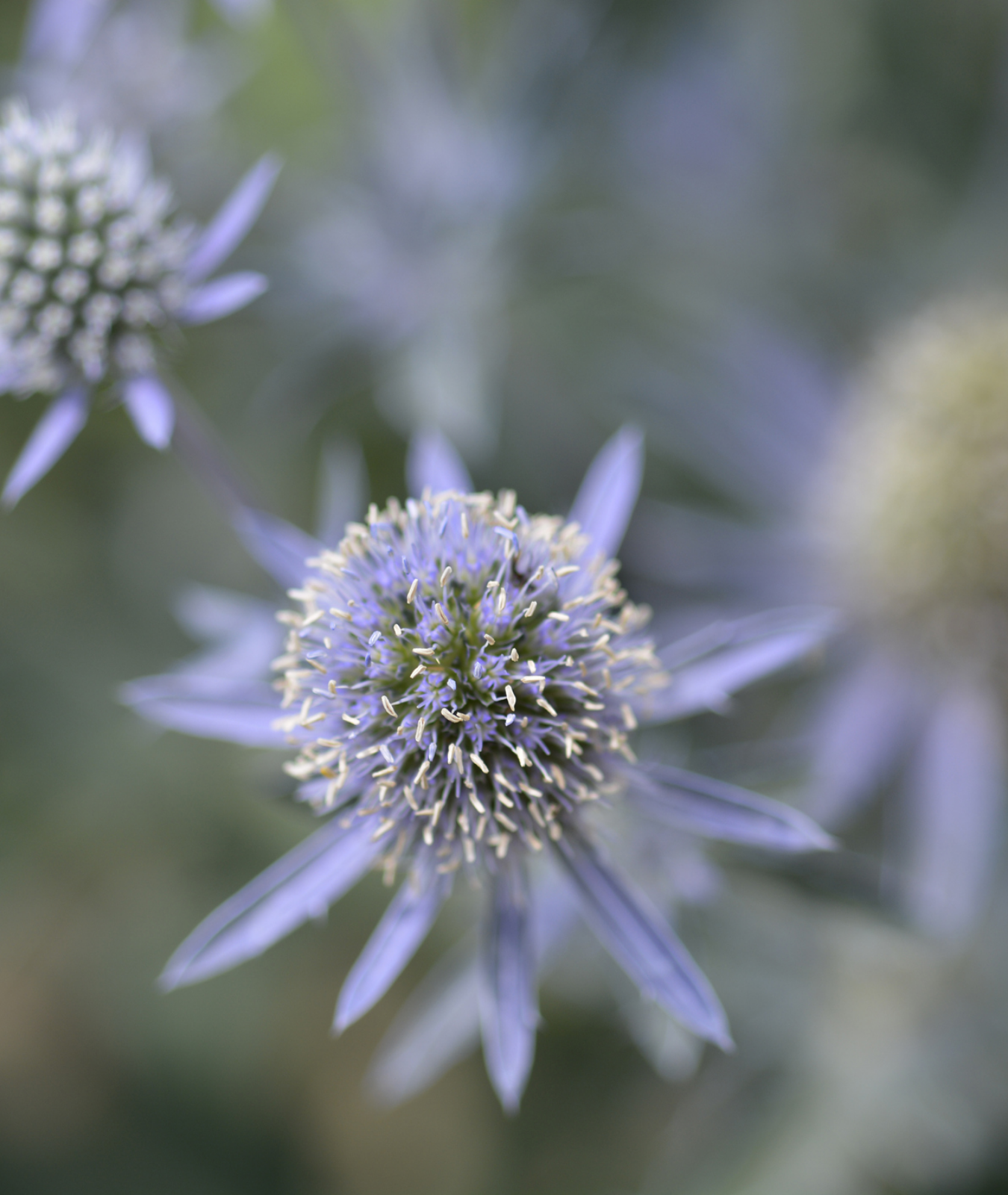
A compact and eye-catching sea holly with striking steel-blue flower heads and spiny bracts. Its neat habit and drought tolerance make it an excellent choice for sunny borders, gravel gardens and patio containers.
-
Why we like it
Specs & details
The particulars
- Botanical name
- Eryngium 'Blue Hobbit'
- Common name
- Sea Holly
- Supplied as
- 3 litre pot
- Flowering period
- July - September
- Habit
- Compact clump-forming perennial
- Hardiness
- Fully hardy in most parts of the UK
- Aspect
- Full sun
- Soil type
- Loam, sandy, chalk
- Moisture
- Dry to moist but well-drained
- Position
- Front of sunny border, gravel garden, patio pot
Planting & care
Help it thrive
Planting guide
Plant in spring or autumn in a sunny, well-drained position. Improve heavy soils with grit or horticultural sand before planting. Water regularly during establishment, then only occasionally once settled.
Care tips
Avoid rich or heavily fertilised soil, as this can lead to weaker growth. Deadhead if preferred, though spent blooms provide attractive winter structure. Divide clumps only when necessary, as plants prefer to remain undisturbed.
Winter care
Leave faded flower heads in place through winter for structure and wildlife interest, then cut back old growth in late winter or early spring. Avoid overly wet soil during colder months.