



Salvia nemorosa 'Caradonna'
Woodland sage
Couldn't load pickup availability
Supplied as an established plant in a 2 litre pot
Aspect
full sun
Hardiness
Fully hardy in most parts of the UK
Flowers
June - September
Soil
Loam, chalk, sandy soil
About this plant
-
Description
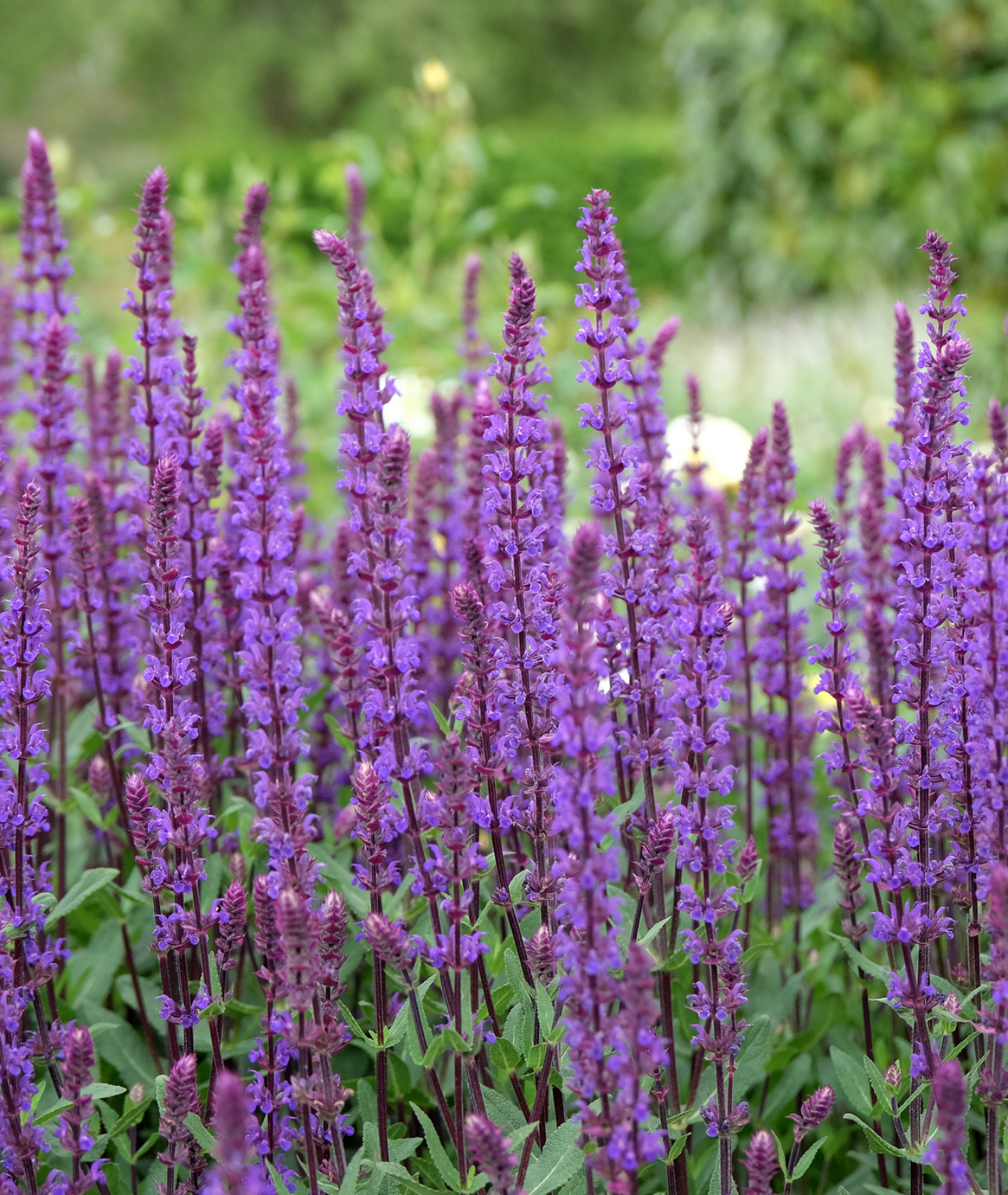
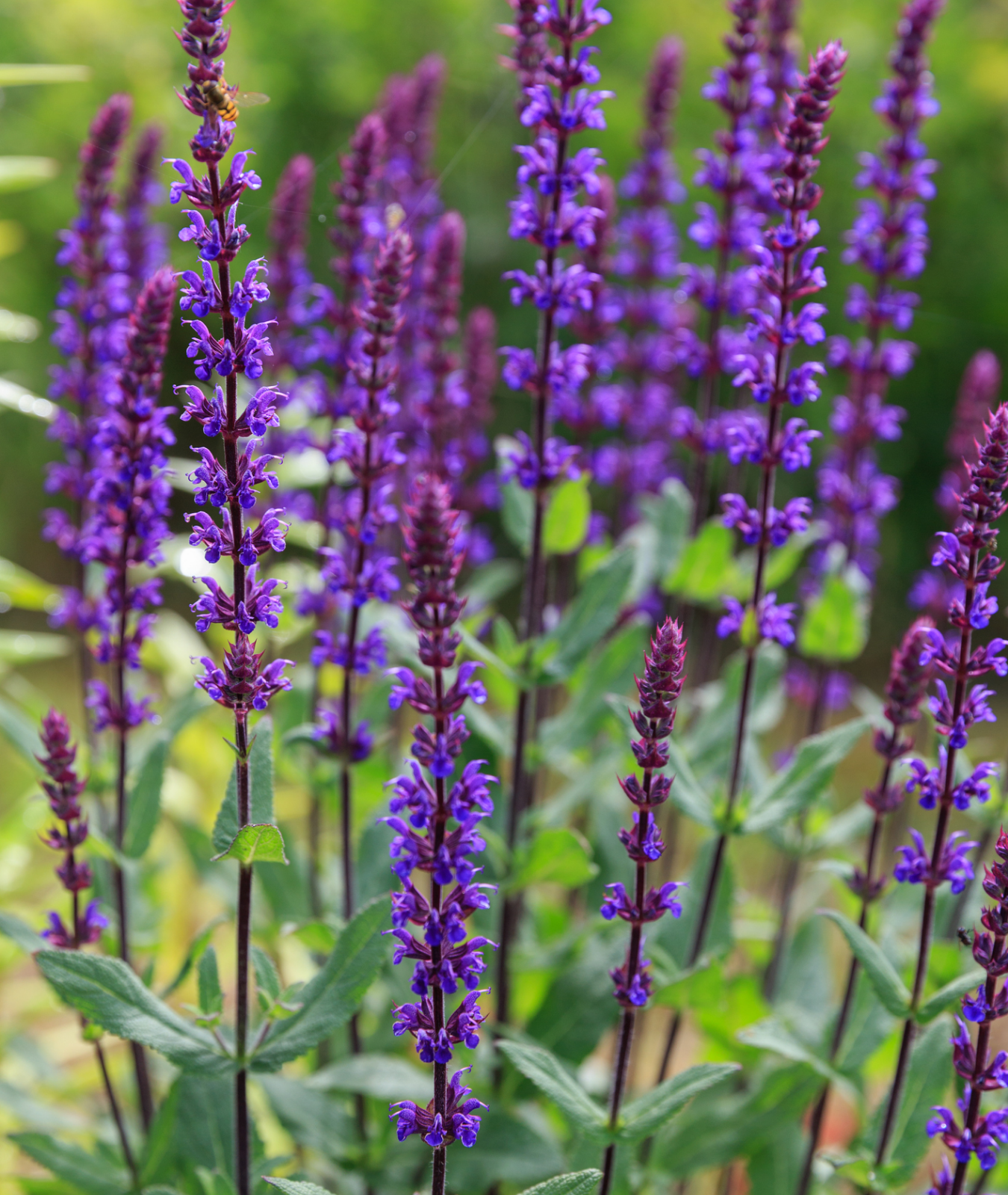
A striking perennial salvia with deep violet-purple flower spikes held on dramatic dark stems. Loved for its long flowering season and strong architectural form, it adds rich colour and movement to sunny planting schemes.
-
Why we like it
Specs & details
The particulars
- Botanical name
- Salvia nemorosa 'Caradonna'
- Common name
- Woodland sage
- Supplied as
- 2 litre pot
- Flowering period
- June - September
- Habit
- Clump-forming upright perennial
- Hardiness
- Fully hardy in most parts of the UK
- Aspect
- full sun
- Soil type
- Loam, chalk, sandy soil
- Moisture
- Moist but well-drained
- Position
- Mid-border, gravel garden, patio containers
Planting & care
Help it thrive
Planting guide
Plant in spring or autumn in a sunny, well-drained spot. Improve heavy soils with grit or organic matter before planting. Deadhead faded flower spikes regularly to encourage repeat blooms throughout the season.
Care tips
Water during prolonged dry spells in the first growing season. Trim spent flower spikes after flowering to promote fresh blooms. Divide congested clumps every few years in spring.
Winter care
Leave stems in place over winter for added structure and wildlife value, then cut back in early spring. Apply a light mulch around the base in colder areas, avoiding waterlogged conditions.