



Achillea 'Milly Rock Yellow'
Yarrow
Couldn't load pickup availability
Supplied as an established plant in a 3 litre pot


Aspect
Full sun
Hardiness
Fully hardy in most parts of the UK.
Soil
loam, sand and chalk
About this plant
Compact, sun-loving and buzzing with bees
-
Description
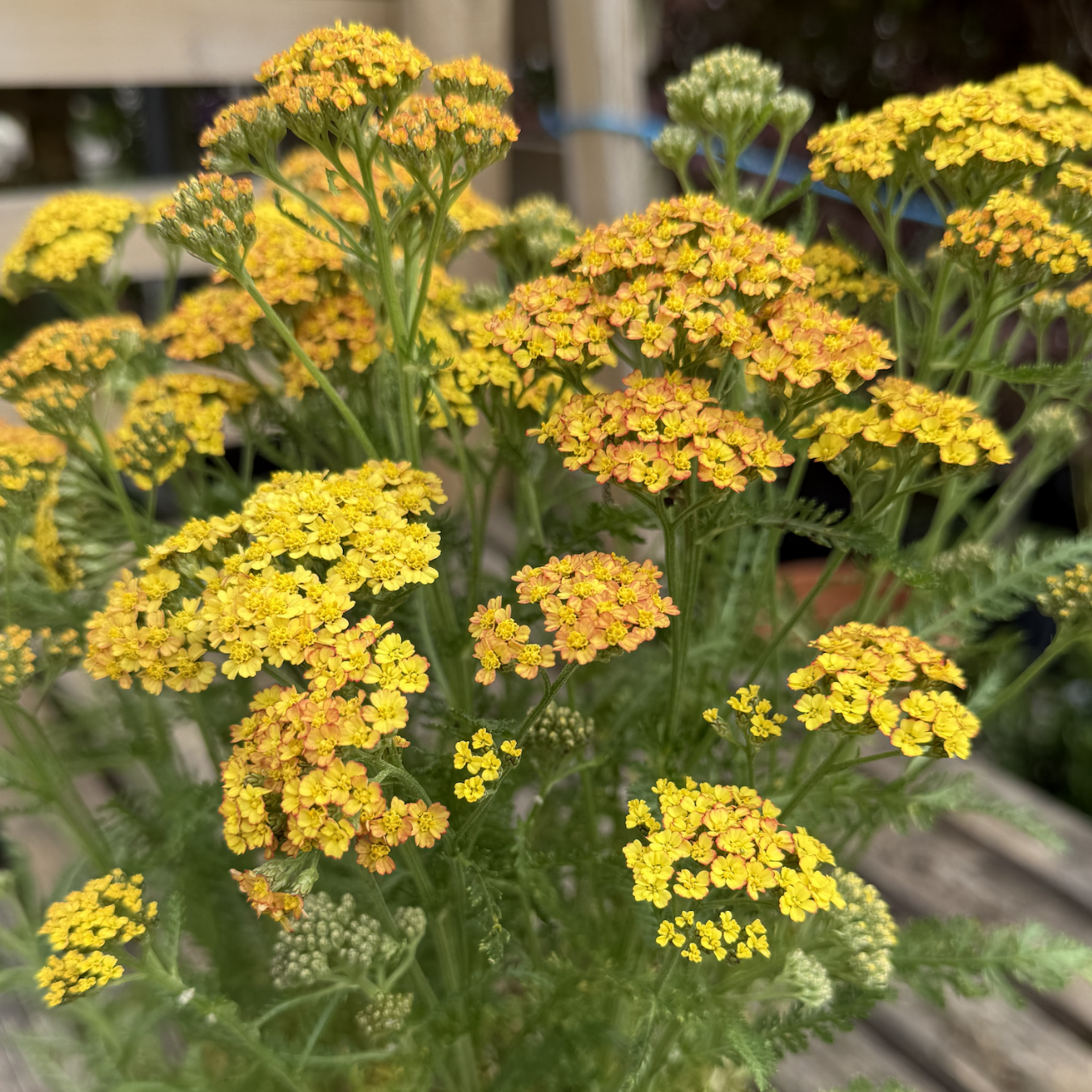
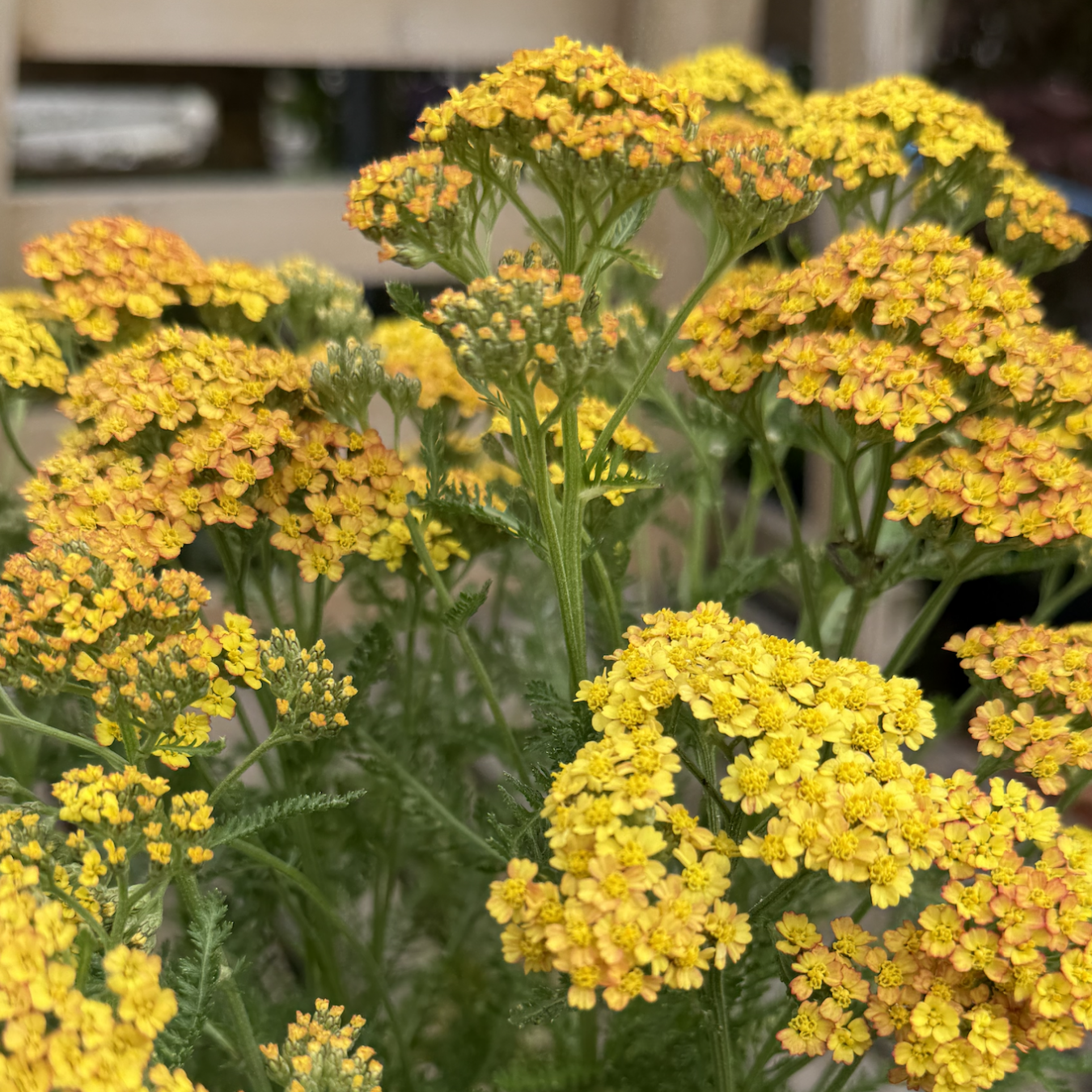
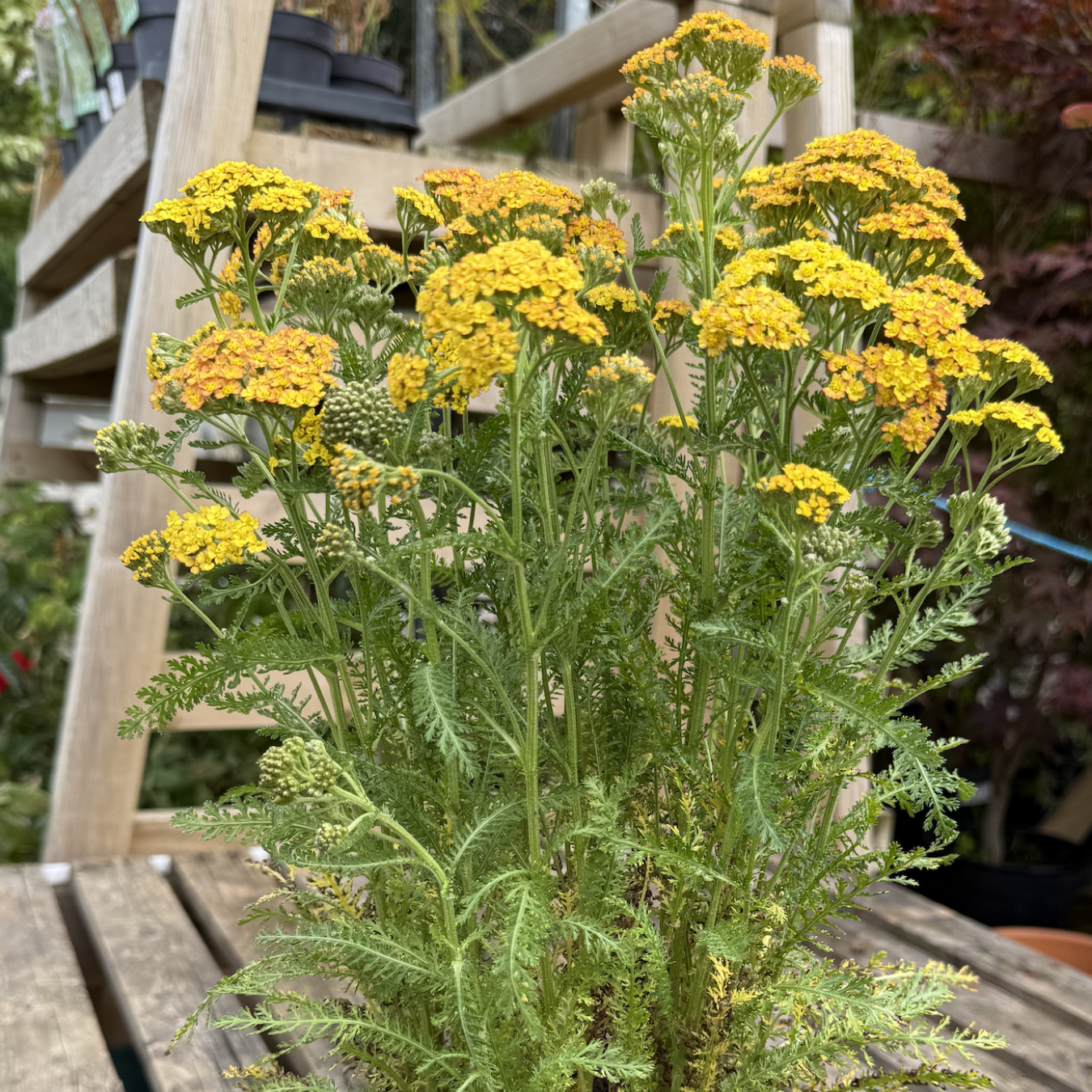
Achillea 'Milly Rock Yellow' is a compact, short-stemmed yarrow bred for its neat habit and bright golden-yellow flowerheads. Flat clusters of small flowers sit above finely cut, fern-like green foliage from early summer, giving a long display that bees and butterflies love. Its low, mounding form makes it well suited to the front of a sunny border or to pots and containers.
-
Why we like it
Key features
What makes it special
Long-lasting blooms that persist for months
Loved by bees & pollinators
Compact, clump-forming habit
Easy to grow & low maintenance
WATCH
30 second portraits
Achillea: the tough, sun-loving border stalwart
Specs & details
The particulars
- Botanical name
- Achillea 'Milly Rock Yellow'
- Common name
- Yarrow
- Supplied as
- 3 litre pot
- Flower colour
- Yellow and Gold
- Eventual height
- Up to 30cm
- Eventual spread
- Around 30cm
- Habit
- Compact, mound-forming perennial
- Hardiness
- Fully hardy in most parts of the UK.
- Aspect
- Full sun
- Soil type
- loam, sand and chalk
- Moisture
- Well-drained soil
- Position
- Front of border
- Plant spacing
- Space around 35 to 40cm apart (approximately 6 plants per m²)
- Growing skill
- Easy to grow
Plant calendar
When to plant, when it performs
Planting & care
Help it thrive
Planting guide
Plant in spring or early autumn into well-drained soil in full sun. Water well while establishing, then only during prolonged dry spells. Space plants around 35 to 40cm apart for good air circulation, and deadhead spent flowers to encourage more blooms.
Care tips
Water during dry spells in the first growing season, after which the plant is drought-tolerant. Remove spent flowerheads regularly to prolong flowering. Cut back in autumn or early spring, and lift and divide clumps every few years to keep growth healthy.
Winter care
Cut the plant back to ground level in autumn once flowering has finished, or leave the old growth over winter and tidy it in early spring before new shoots appear. Avoid disturbing the crown in late winter when it can be hard to see.