



Achillea 'Terracotta'
Yarrow
Couldn't load pickup availability
Supplied as an established plant in a 3 litre pot
Aspect
Full sun
Hardiness
Fully hardy in most parts of the UK.
Flowers
June - September
Soil
Loam, chalk, sandy soil
About this plant
-
Description
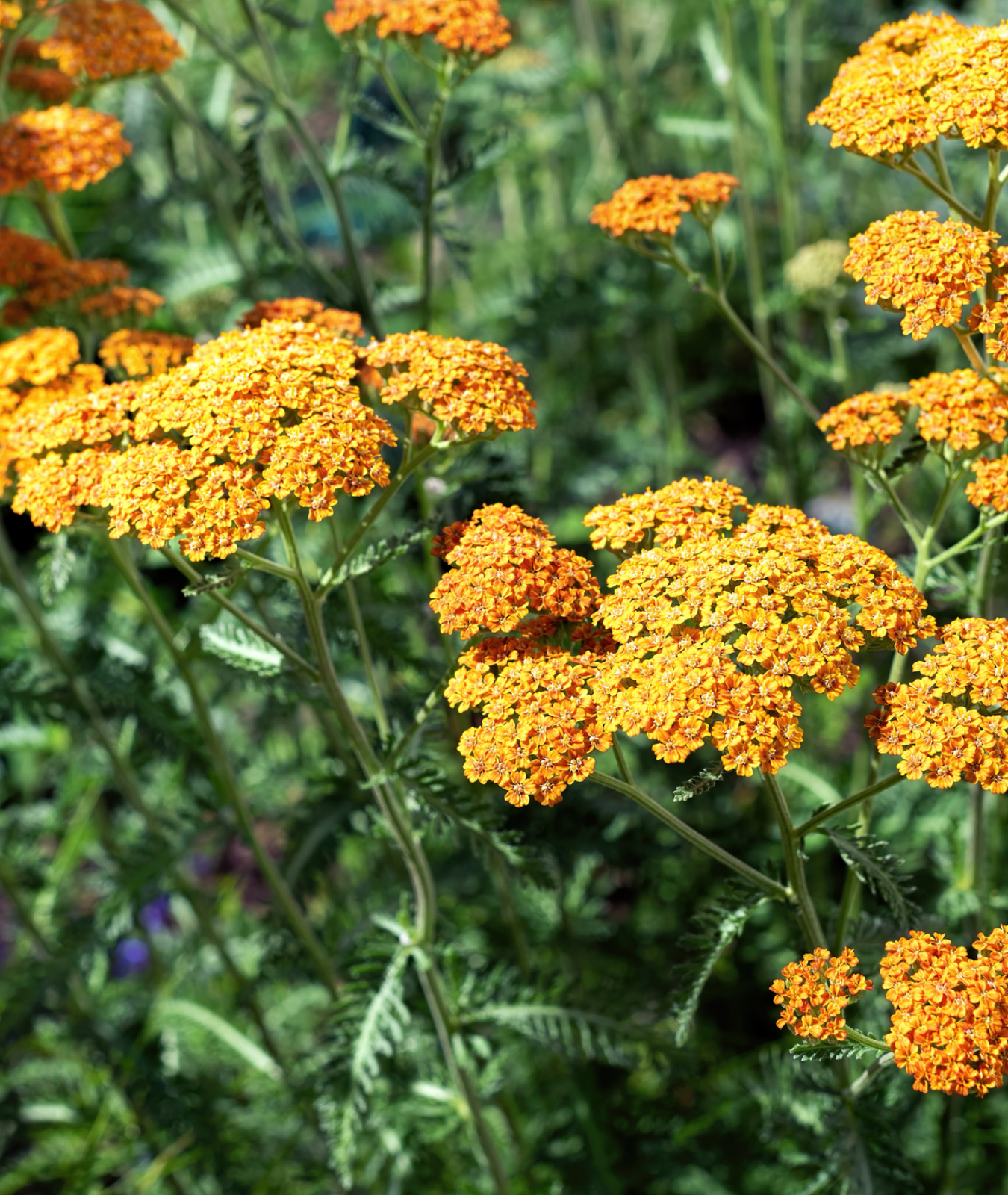
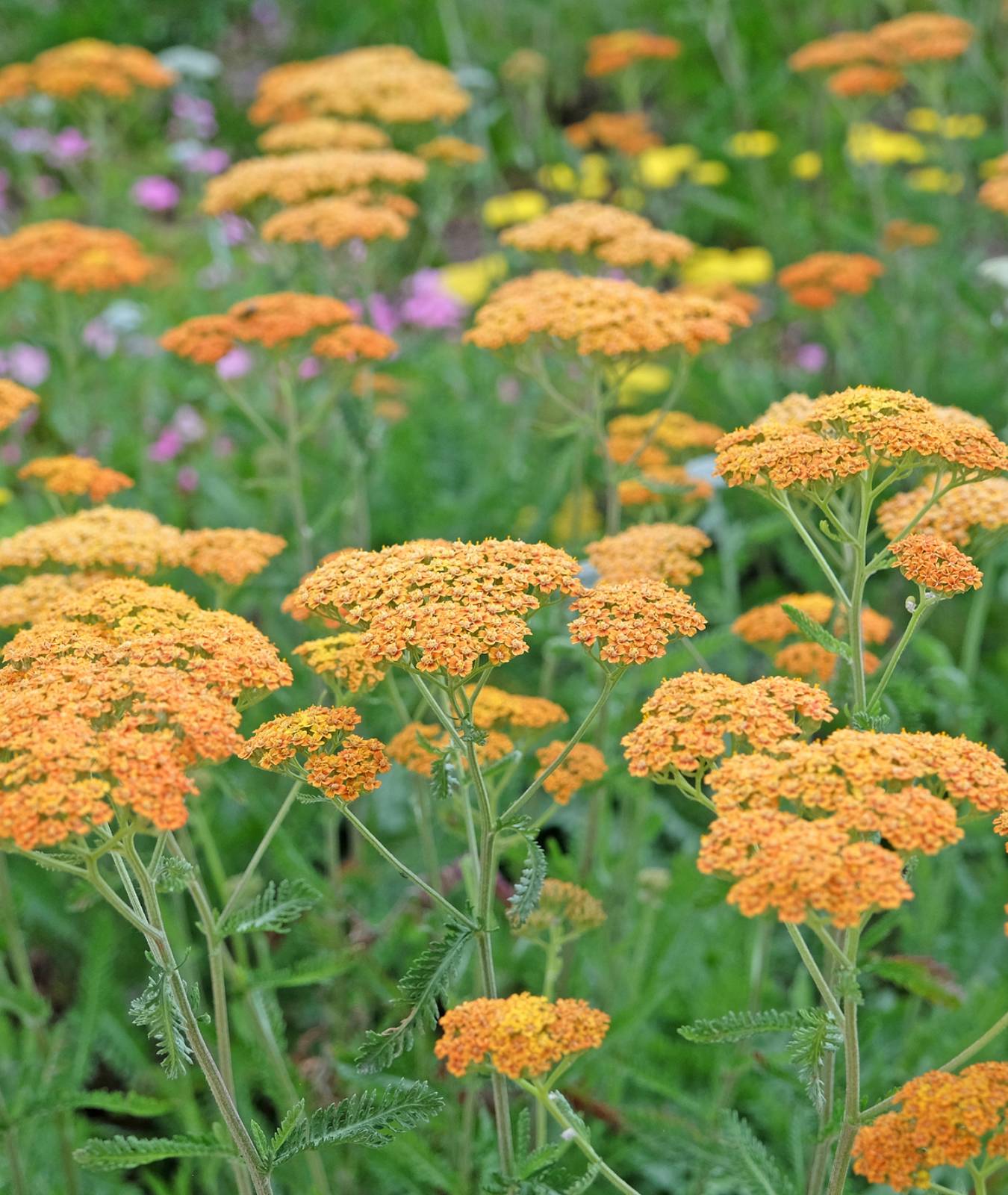
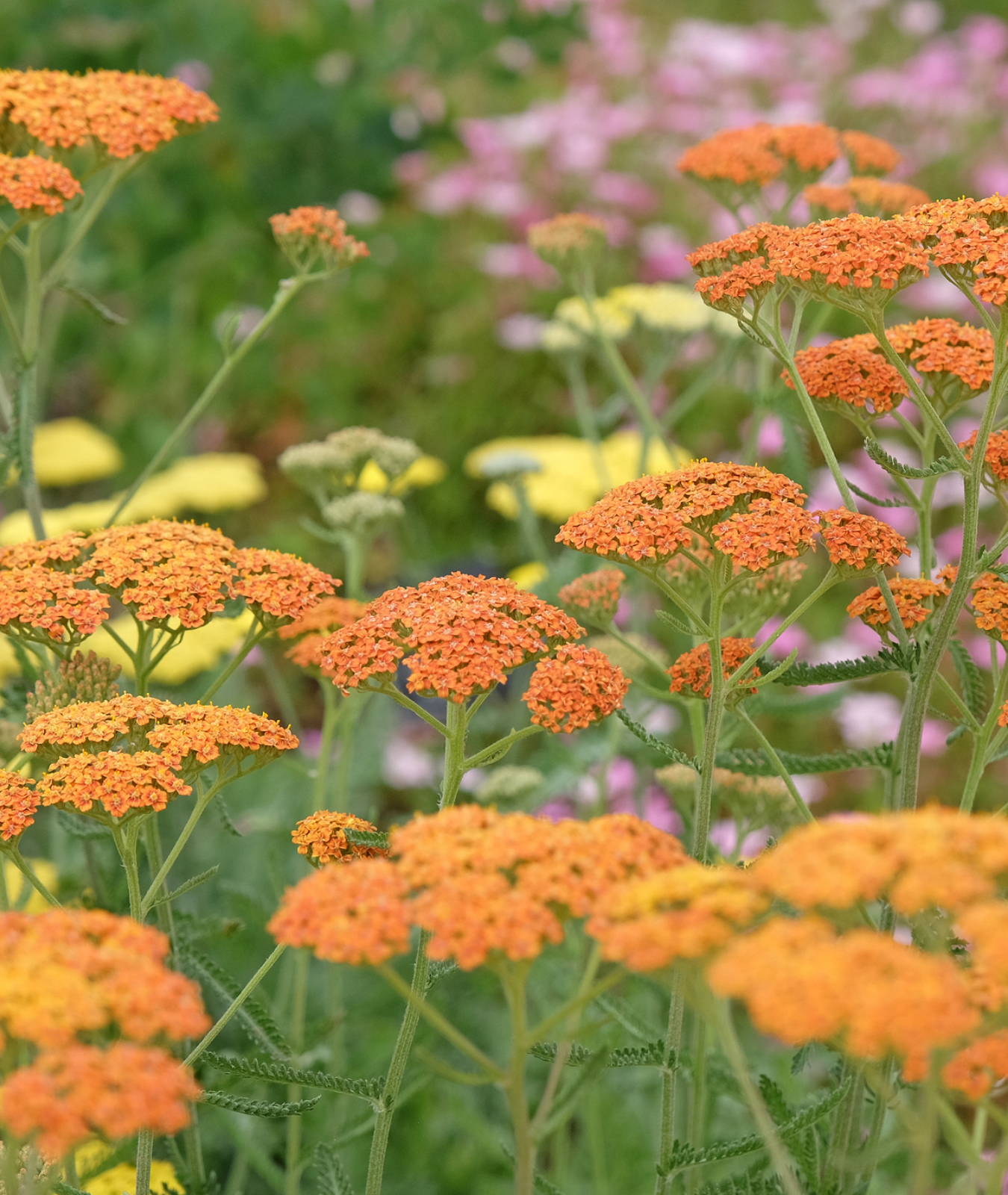
A warm-toned perennial valued for its flat flower heads that open in shades of burnt orange and amber before softening to creamy gold. Its fern-like foliage and long flowering season make it a standout in sunny borders and wildlife gardens.
-
Why we like it
WATCH
30 second portraits
Achillea: the tough, sun-loving border stalwart
Specs & details
The particulars
- Botanical name
- Achillea 'Terracotta'
- Common name
- Yarrow
- Supplied as
- 3 litre pot
- Flowering period
- June - September
- Habit
- Clump-forming perennial
- Hardiness
- Fully hardy in most parts of the UK.
- Aspect
- Full sun
- Soil type
- Loam, chalk, sandy soil
- Moisture
- Well-drained
- Position
- Mid-border, prairie planting or gravel garden
Planting & care
Help it thrive
Planting guide
Plant in spring or autumn in full sun with well-drained soil. Space plants to allow airflow and prevent overcrowding. Divide every few years to maintain vigour and flowering performance.
Care tips
Deadhead regularly to encourage continued flowering. Avoid rich soils and overfeeding, which can lead to floppy stems. Divide mature clumps every three to four years.
Winter care
Cut faded stems down in late autumn or leave seed heads standing for winter structure and wildlife interest before tidying in early spring. Avoid overly wet winter soils.