



AGAPANTHUS PITCHOUNE BLUE
African lily
Couldn't load pickup availability
Supplied as an established plant in a 3 litre pot
Aspect
Full sun
Hardiness
Borderline hardy. Protect over winter in most areas.
Flowers
Summer
Soil
Loam, sand, chalk
About this plant
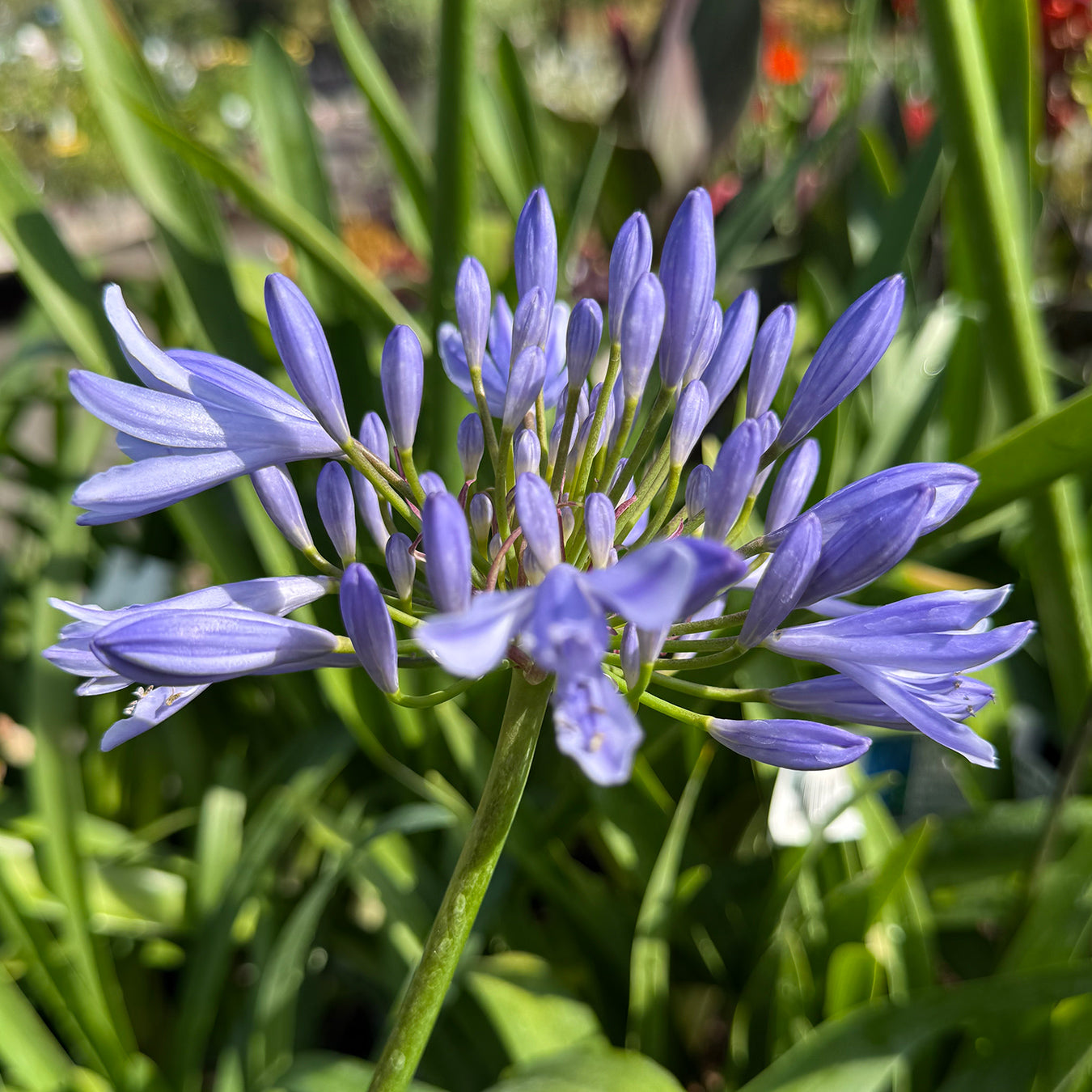
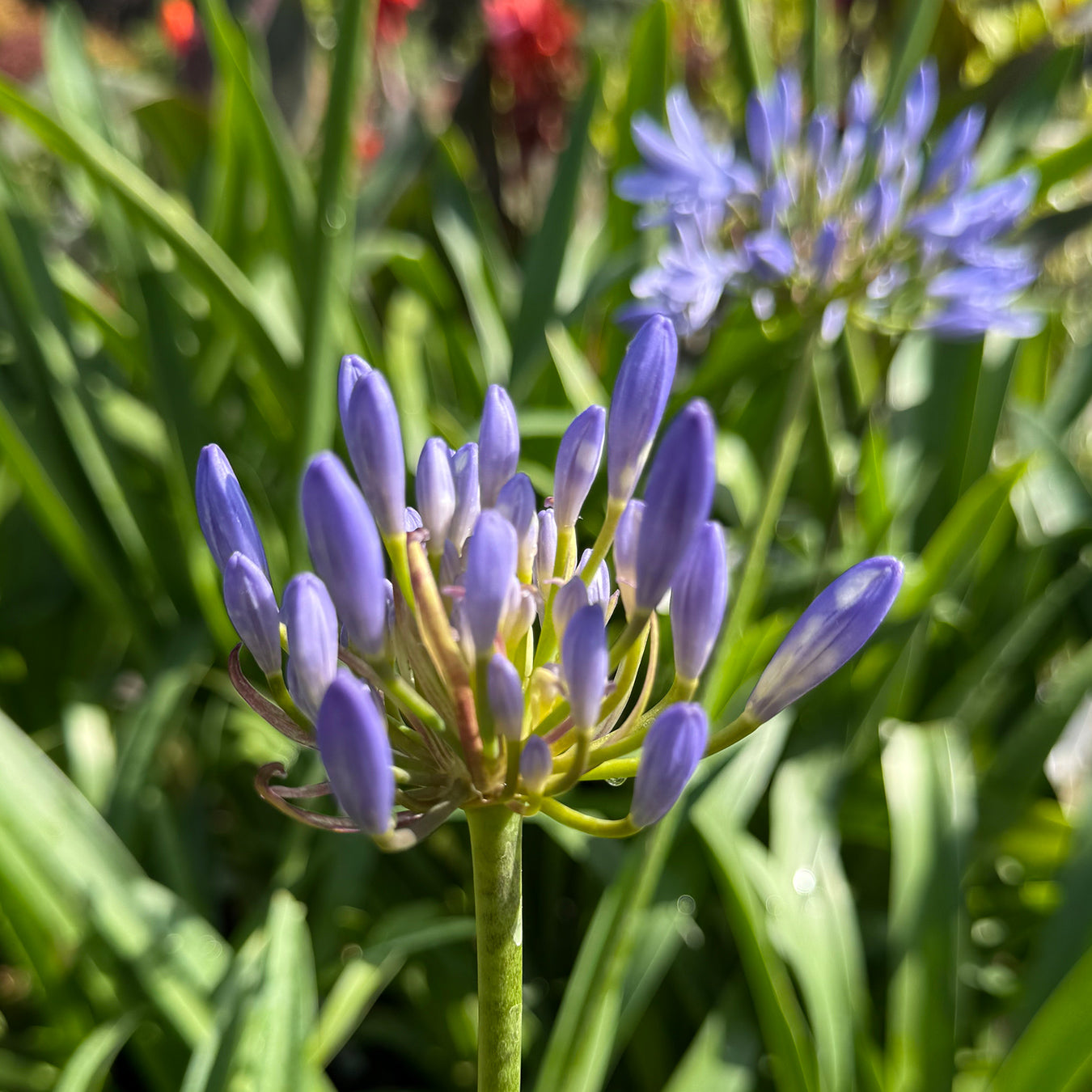
Big blue heads on a compact, patio-perfect plant
-
Description
-
Why we like it
Key features
What makes it special
Loved by bees & pollinators
Evergreen, year-round interest
Good for cutting
Specs & details
The particulars
- Botanical name
- AGAPANTHUS PITCHOUNE BLUE
- Common name
- African lily
- Supplied as
- 3 litre pot
- Flower colour
- Blue
- Eventual height
- 50-60cm in flower
- Eventual spread
- 40-45cm
- Flowering period
- Summer
- Habit
- Compact, clump-forming perennial
- Life cycle
- Evergreen perennial
- Hardiness
- Borderline hardy. Protect over winter in most areas.
- Aspect
- Full sun
- Soil type
- Loam, sand, chalk
- Moisture
- Moist but well-drained
- Position
- Patio container, balcony or front of a sunny border
- Plant spacing
- Space around 40cm apart, or grow singly in a pot.
- Growing skill
- Easy to grow
Plant calendar
When to plant, when it performs
Planting & care
Help it thrive
Planting guide
Plant in spring in full sun, in fertile, moist but well-drained soil, or in a pot of peat-free, loam-based compost. Agapanthus flower best when their roots are a little restricted, so choose a snug container rather than an over-large one. Give it the warmest, sunniest, most sheltered spot you can, ideally south-facing. Water in well, and avoid heavy, wet ground, which risks rotting the crown over winter.
Care tips
Water regularly through spring and summer while in growth, and feed with a balanced liquid feed monthly from spring until flowering, switching to a high-potash feed such as tomato food to boost blooms. Keep it much drier over winter. Deadhead spent stems, or leave a few for their seedheads, and divide congested clumps in spring every few years. All parts are harmful if eaten, and the sap can irritate skin and eyes, so wear gloves when handling.
Winter care
Borderline hardy, so protect it over winter in most of the UK. In milder areas, mulch the crown deeply with bark or straw in late autumn. In colder gardens, grow it in a pot that can be moved to a frost-free but bright spot, such as a cold greenhouse or porch, keeping it barely watered until spring. Leave the seedheads for structure, then cut back and tidy old foliage in spring.