



Amsonia 'Blue Ice'
Blue star
Couldn't load pickup availability
Supplied as an established plant in a 3 litre pot
Aspect
Full sun to partial shade
Hardiness
Fully hardy in most parts of the UK.
Flowers
Summer
Soil
Loam, sand, clay
About this plant
Starry blue flowers, then golden autumn foliage
-
Description
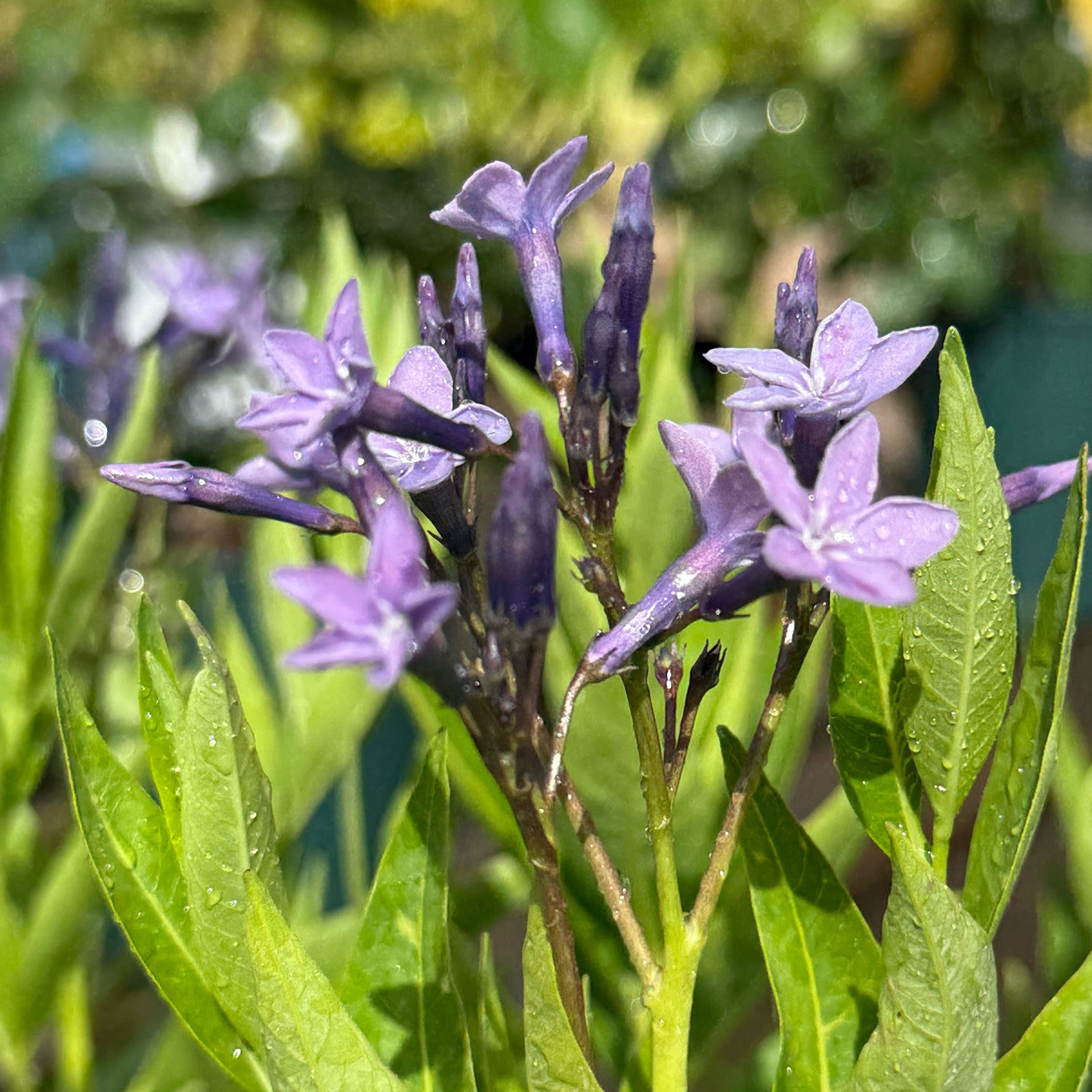
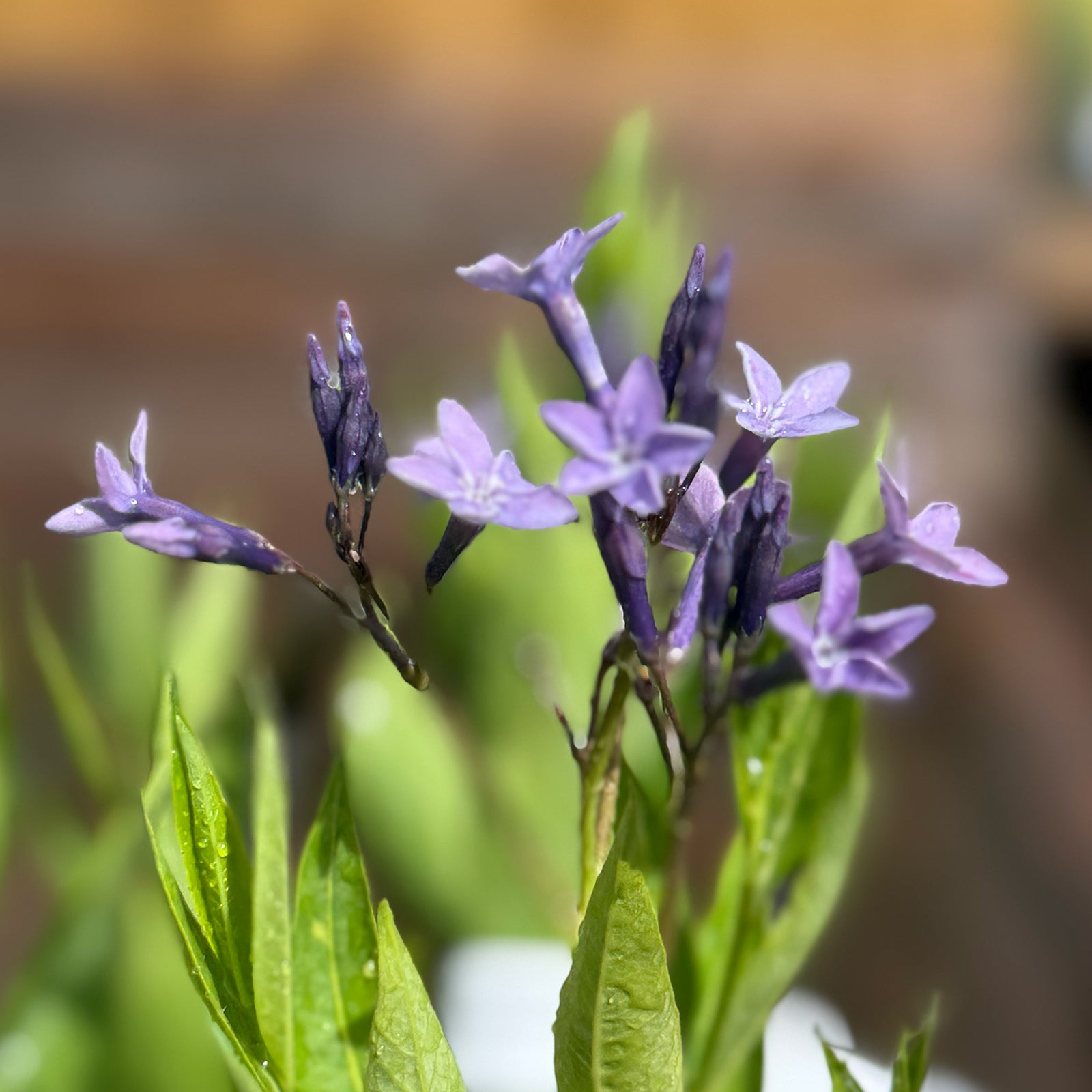
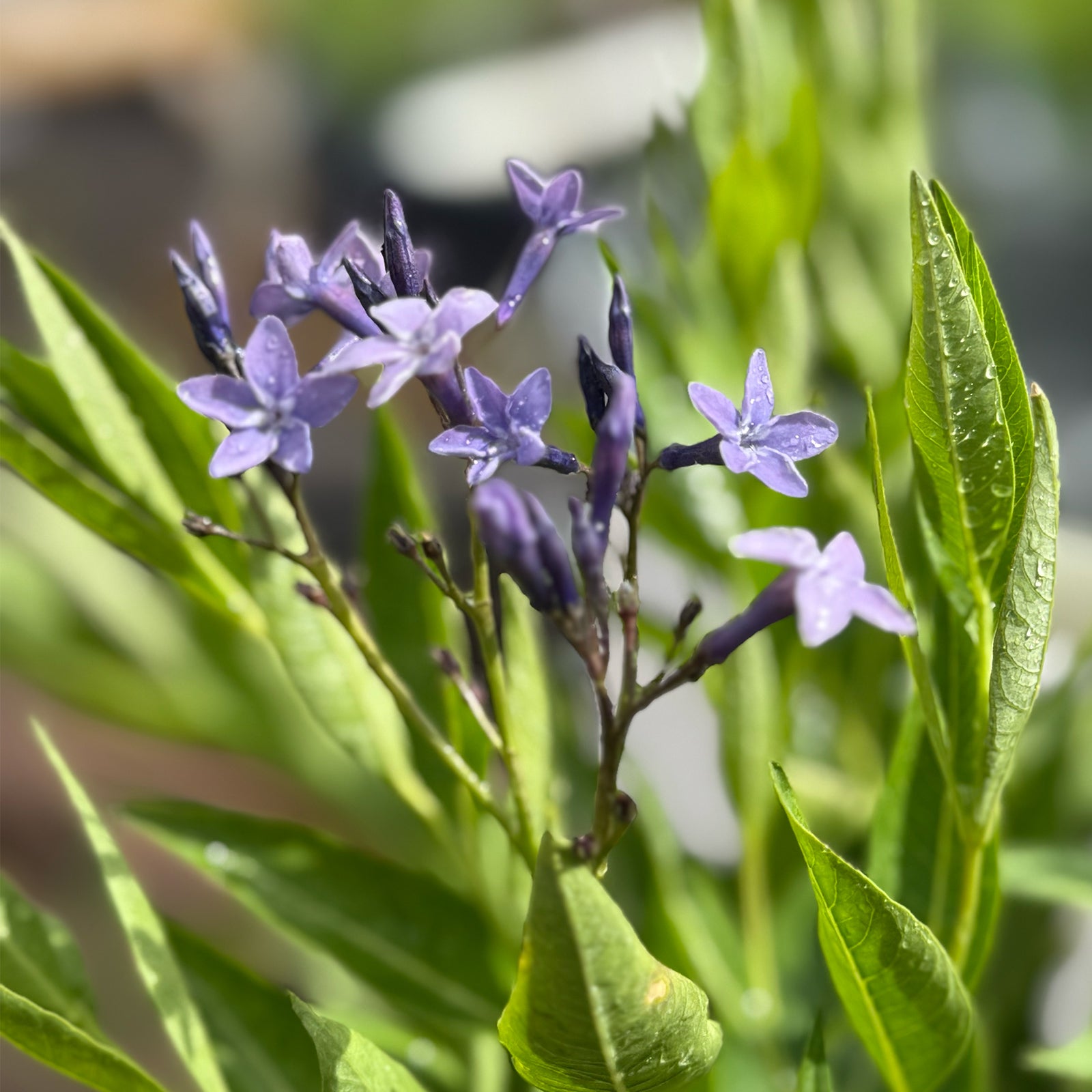
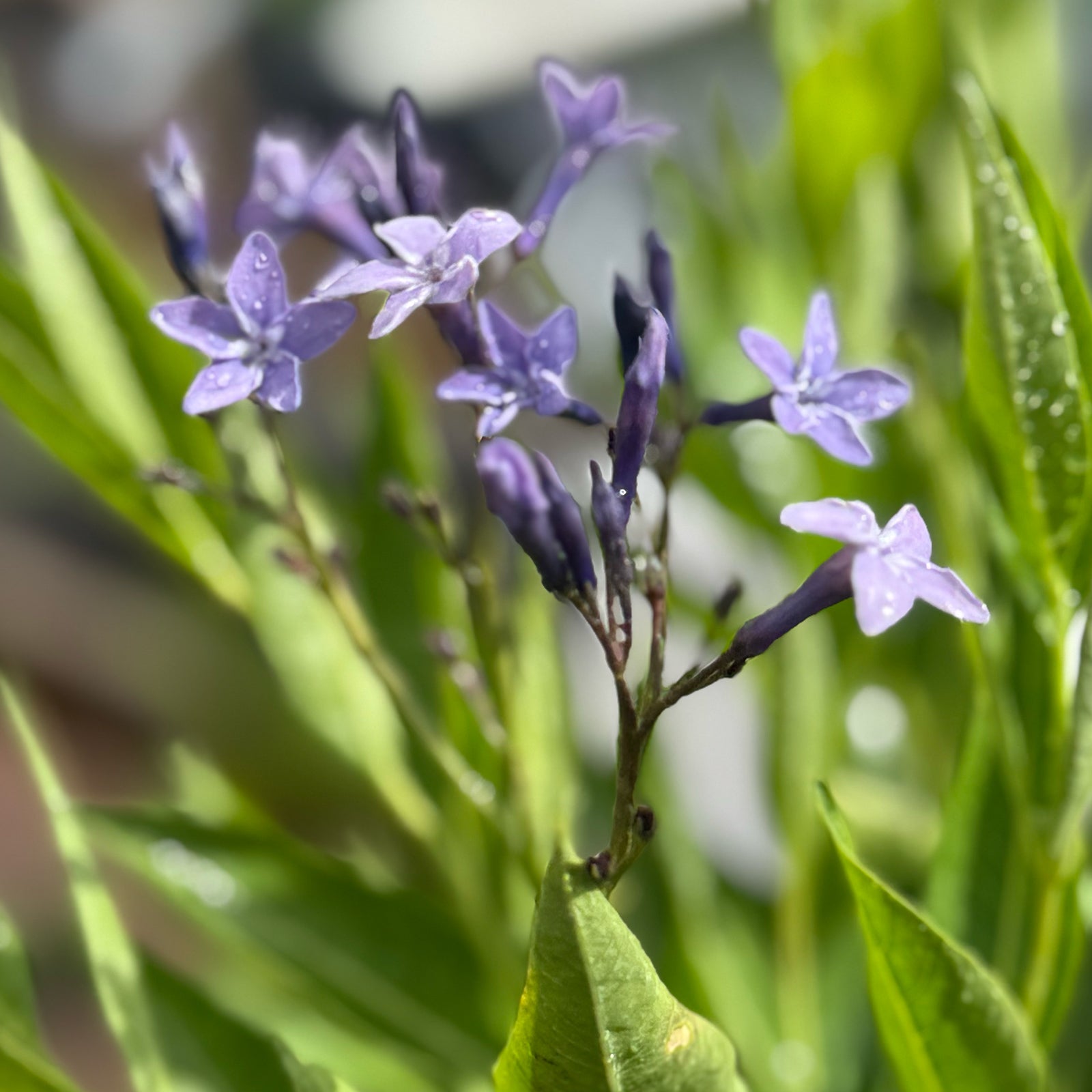
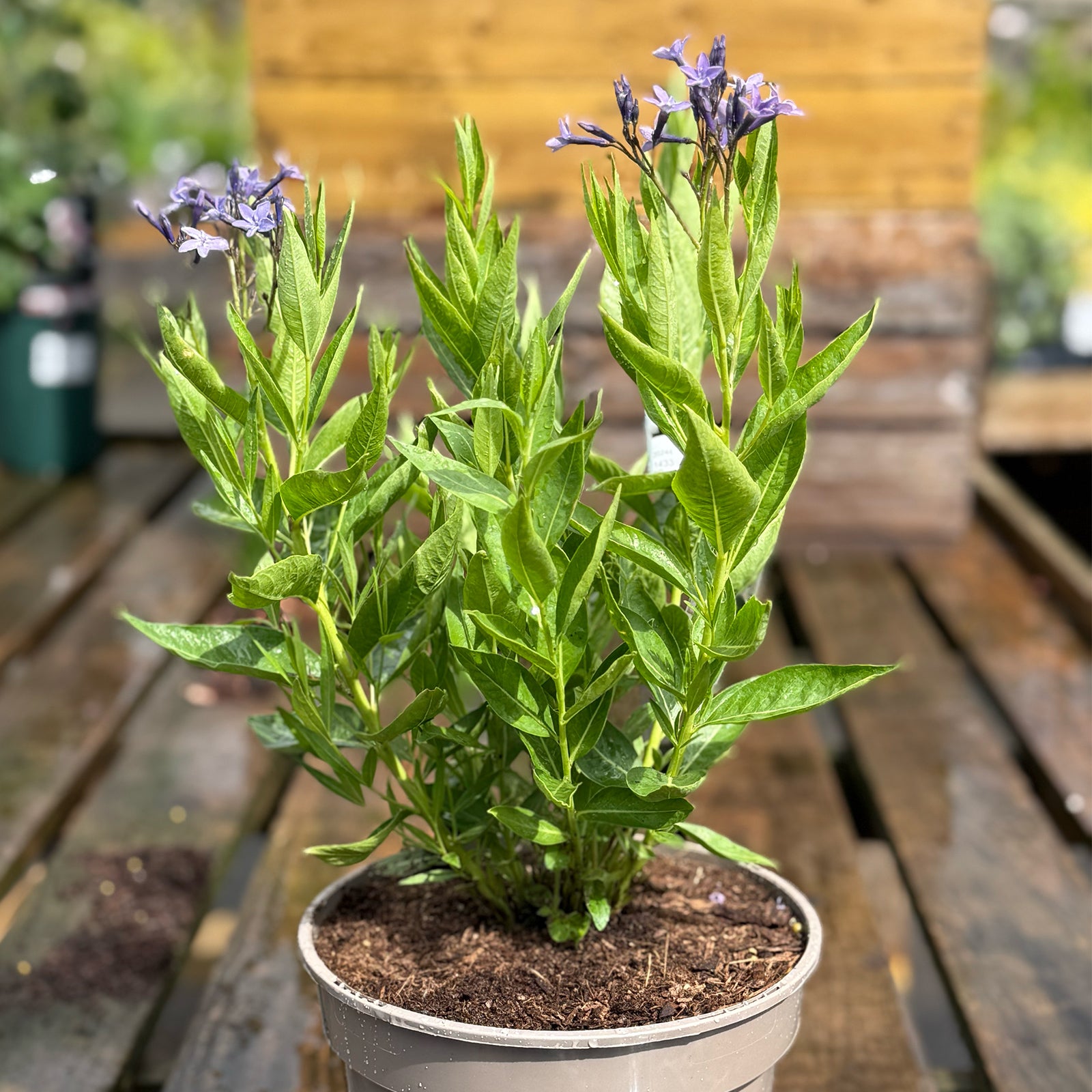
Amsonia 'Blue Ice' is a compact, clump-forming perennial grown for its clusters of starry, periwinkle-blue flowers and its multi-season foliage. In late spring, navy-blue buds open to some of the deepest blue flowers of any bluestar, held on upright, leafy stems. The narrow, willow-like green leaves stay fresh and tidy through summer, then turn a warm golden-yellow in autumn. Easy, long-lived and trouble-free, it forms a neat, bushy mound that works beautifully at the front of a sunny border.
-
Why we like it
Key features
What makes it special
Compact, clump-forming habit
Loved by bees & pollinators
Easy care, low effort
Colourful foliage
Specs & details
The particulars
- Botanical name
- Amsonia 'Blue Ice'
- Common name
- Blue star
- Supplied as
- 3 litre pot
- Flower colour
- Blue
- Eventual height
- 30-45cm
- Eventual spread
- 45-60cm
- Flowering period
- Summer
- Habit
- Clump-forming, bushy perennial
- Life cycle
- Herbaceous perennial
- Hardiness
- Fully hardy in most parts of the UK.
- Aspect
- Full sun to partial shade
- Soil type
- Loam, sand, clay
- Moisture
- Moist but well-drained
- Position
- Front or mid-border, gravel garden, edging
- Plant spacing
- Space around 45cm apart (approximately 5 plants per m²)
- Growing skill
- Easy to grow
Plant calendar
When to plant, when it performs
Planting & care
Help it thrive
Planting guide
Plant in spring or autumn into average, moist but well-drained soil in full sun to partial shade. Full sun gives the sturdiest, most upright habit and the best autumn colour, while too much shade or very rich soil can make it flop. Avoid waterlogged ground. Water in well and keep watered through the first season. Space plants around 45cm apart.
Care tips
Water regularly in the first year to establish, after which it is fairly drought-tolerant thanks to its deep roots. It needs little feeding, as rich conditions cause floppy growth. If you want a bushier, tidier shape, cut the stems back by about a third after flowering. The cut stems release a milky sap that can irritate sensitive skin, so wear gloves when pruning. Long-lived and rarely needs dividing.
Winter care
A herbaceous perennial that dies back to the crown each winter and regrows in spring. Cut the old stems down to near ground level in late autumn or early spring. Take care not to disturb the crown in late winter when it can be hard to see. Little other winter care is needed, as it is fully hardy.