



Rudbeckia 'Goldsturm'
Black-eyed Susan
Couldn't load pickup availability
Supplied as an established plant in a 3 litre pot
Aspect
Full sun to partial shade
Hardiness
Fully hardy in most parts of the UK.
Flowers
Late summer to autumn
Soil
Loam, clay
About this plant
Golden daisies that end the season in style
-
Description
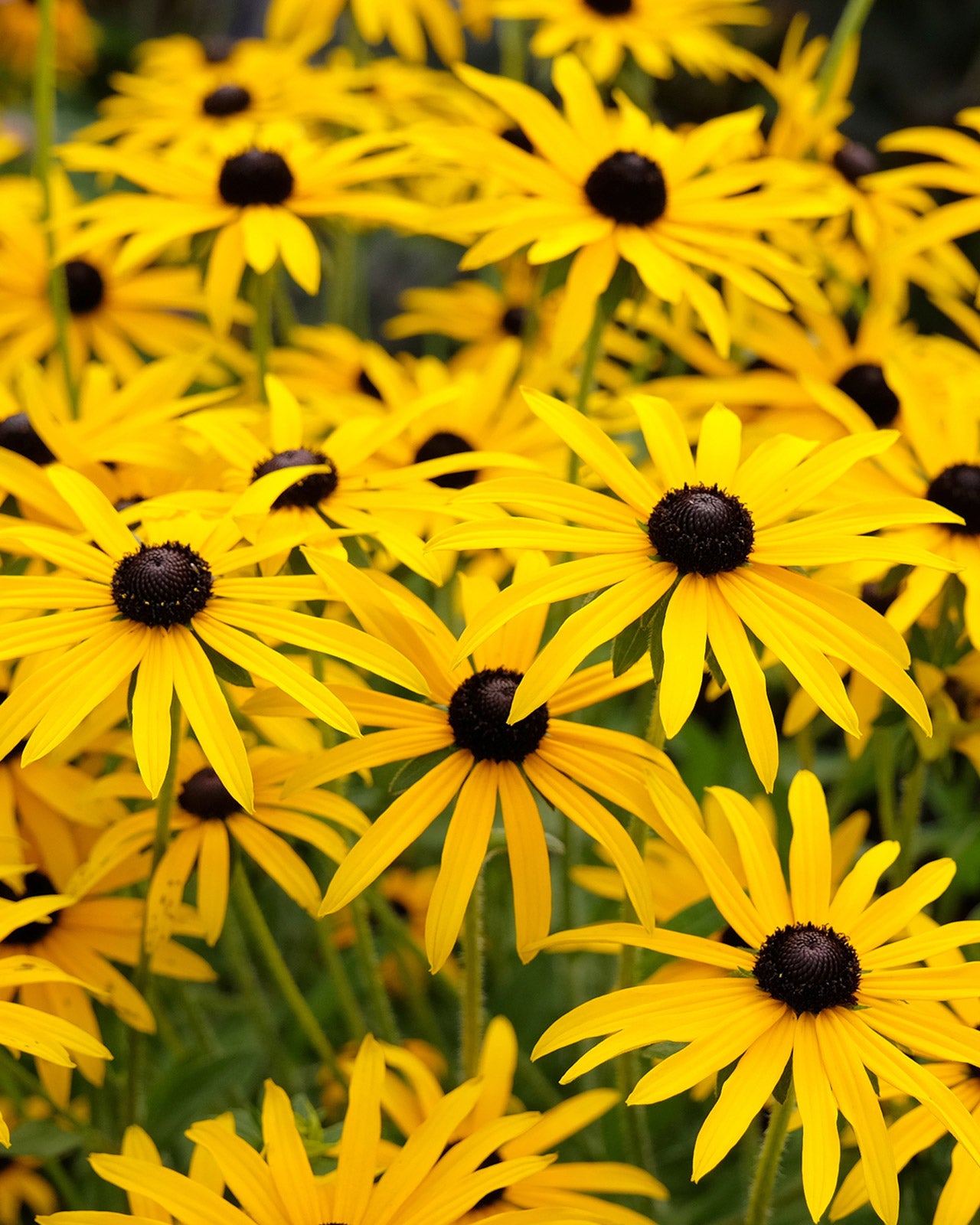
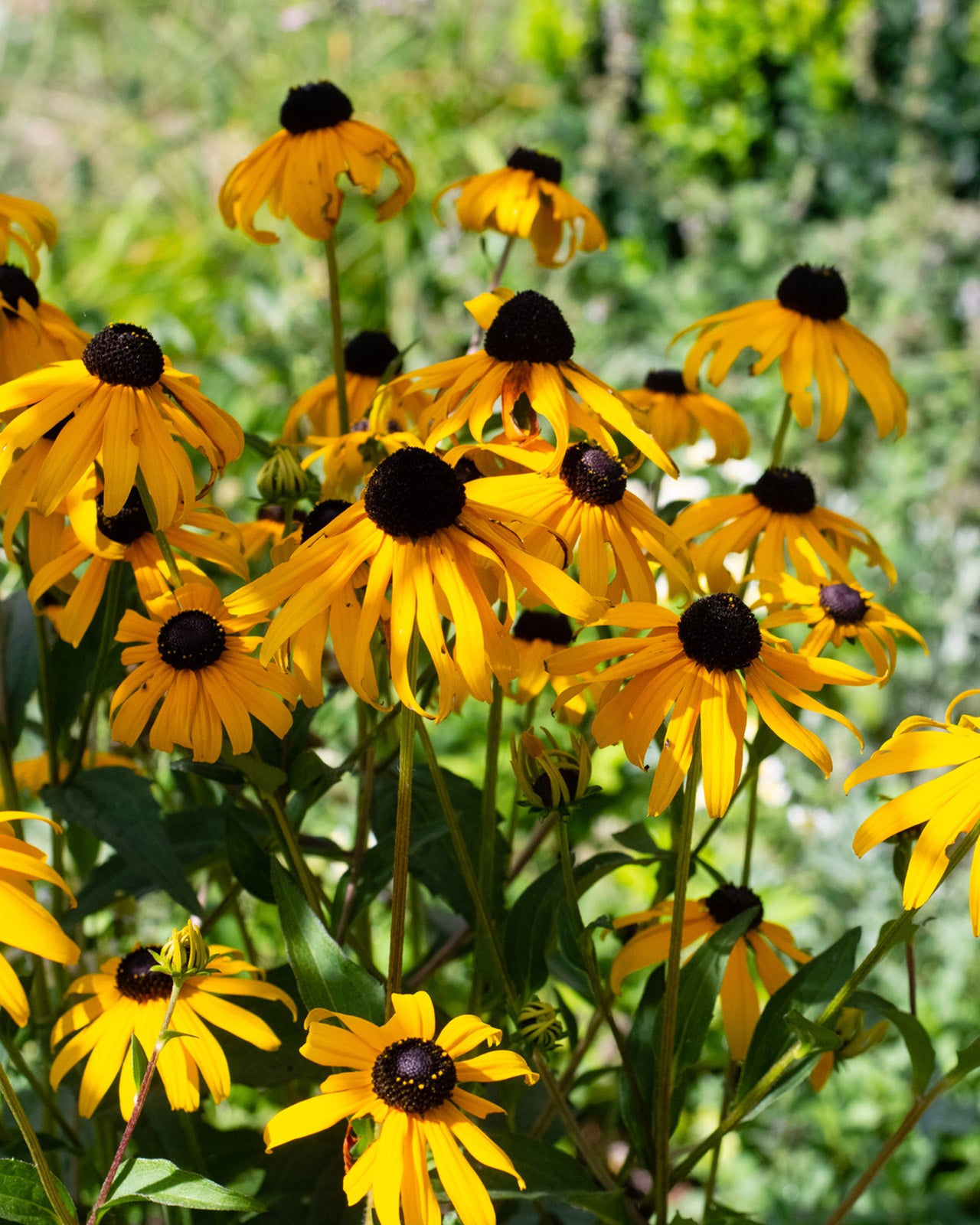
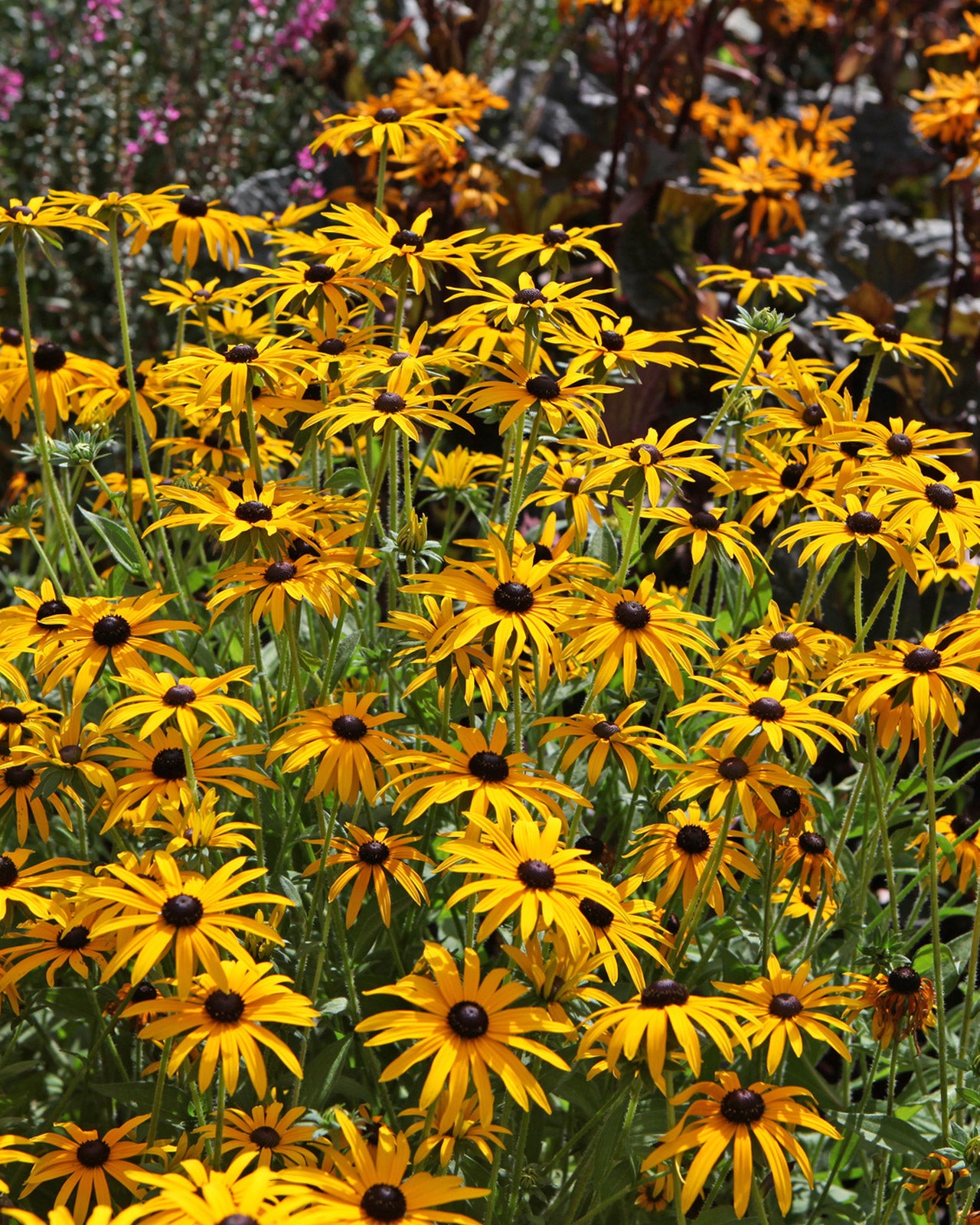
Rudbeckia 'Goldsturm' is the classic black-eyed Susan, producing sheets of golden-yellow daisies with dark chocolate-brown cones from late July through to October. The flowers are carried on stiff, self-supporting stems above clumps of dark green foliage, and the display is remarkably reliable whatever the summer throws at it. Bees and butterflies feed on the flowers, and the seedheads feed birds through winter.
-
Why we like it
Key features
What makes it special
Long-lasting blooms that persist for months
Good for cutting
Loved by bees & pollinators
Drought tolerant
Specs & details
The particulars
- Botanical name
- Rudbeckia 'Goldsturm'
- Common name
- Black-eyed Susan
- Supplied as
- 3 litre pot
- Flower colour
- Yellow
- Eventual height
- 60-75cm
- Eventual spread
- 45-50cm
- Flowering period
- Late summer to autumn
- Habit
- Upright clump-forming perennial
- Life cycle
- Herbaceous perennial
- Hardiness
- Fully hardy in most parts of the UK.
- Aspect
- Full sun to partial shade
- Soil type
- Loam, clay
- Moisture
- Moist but well-drained
- Position
- Mid-border
- Plant spacing
- 4-5 plants per m²
- Growing skill
- Easy to grow
Plant calendar
When to plant, when it performs
Planting & care
Help it thrive
Planting guide
Plant in fertile, moisture-retentive but drained soil in full sun or light shade, adding organic matter to poor or very light ground. Space plants around 45cm apart and water well through the first summer. Groups of three or more give the best effect.
Care tips
Deadhead through the season if you want maximum flowers, or leave later blooms to form seedheads. Divide clumps every three to four years in spring to keep them flowering strongly.
Winter care
Fully hardy. Either cut stems back in late autumn, or leave the seedheads standing for winter interest and the birds, clearing everything in late winter before new growth. A mulch of compost in autumn or spring keeps clumps vigorous.