



Rudbeckia triloba 'Blackjack Gold'
Brown-eyed Susan
Couldn't load pickup availability
Supplied as an established plant in a 3 litre pot
Aspect
Full sun
Hardiness
Fully hardy in most UK gardens.
Flowers
July, August, September, October
Soil
Loam, clay, sandy soil
About this plant
-
Description
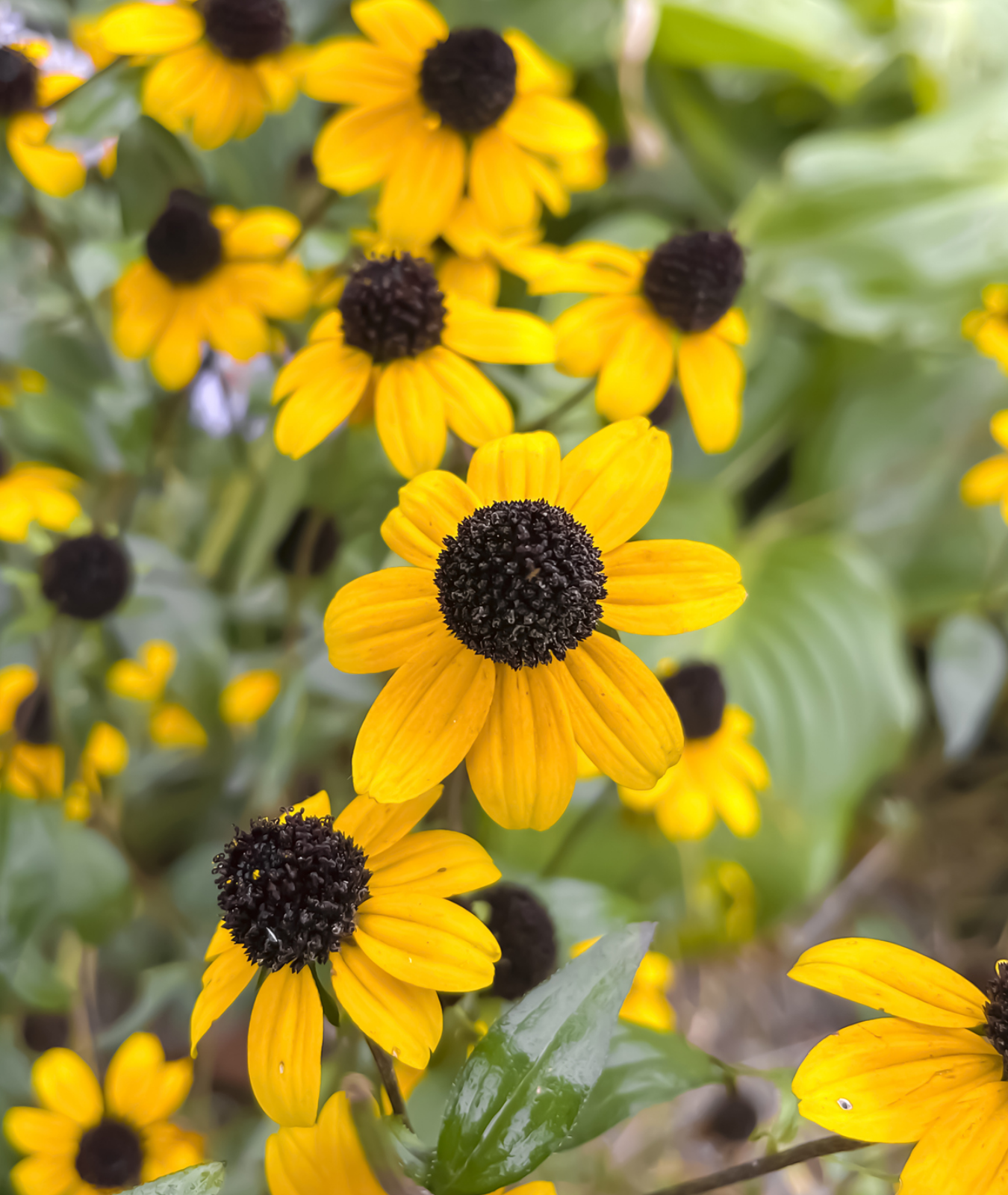
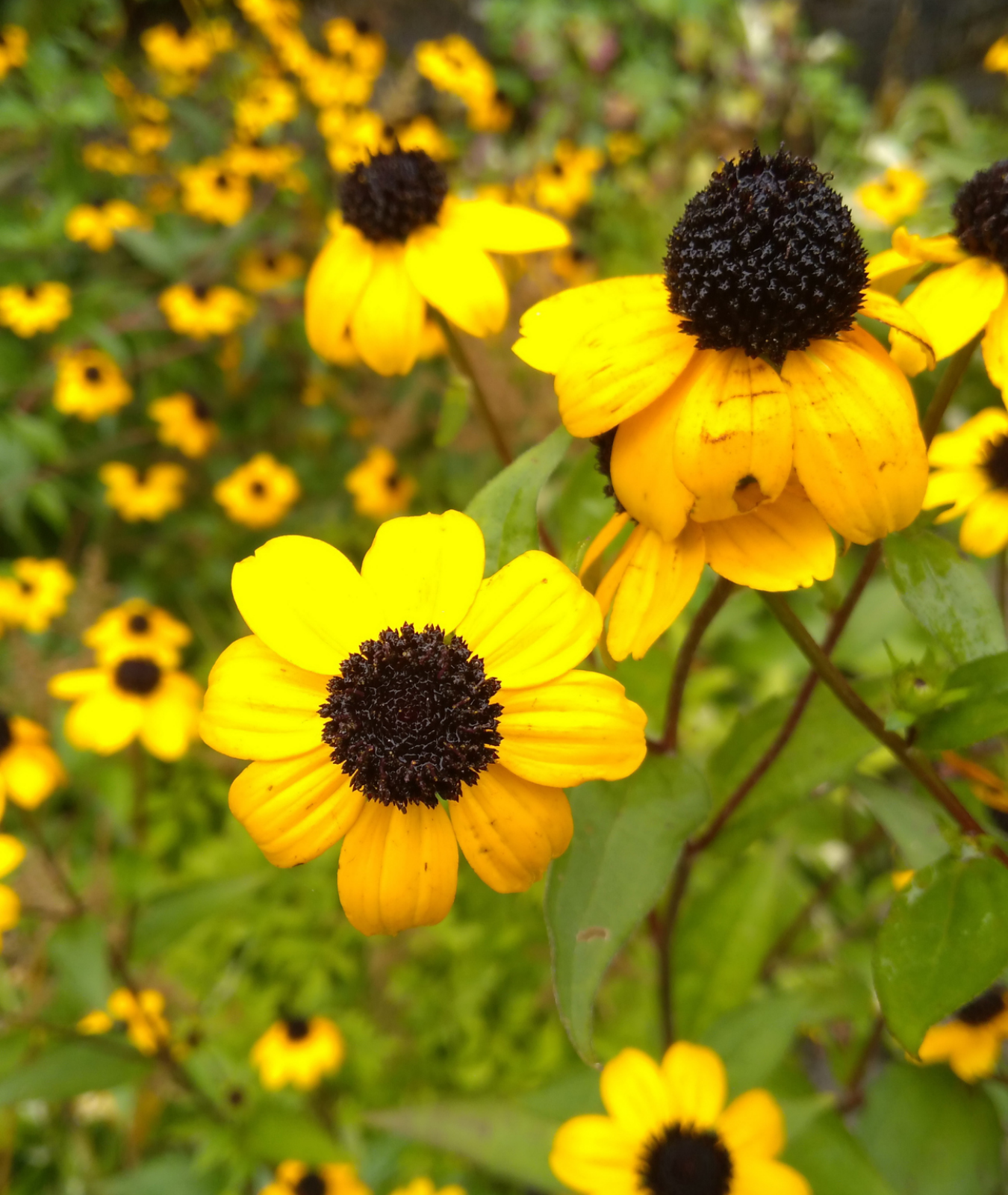
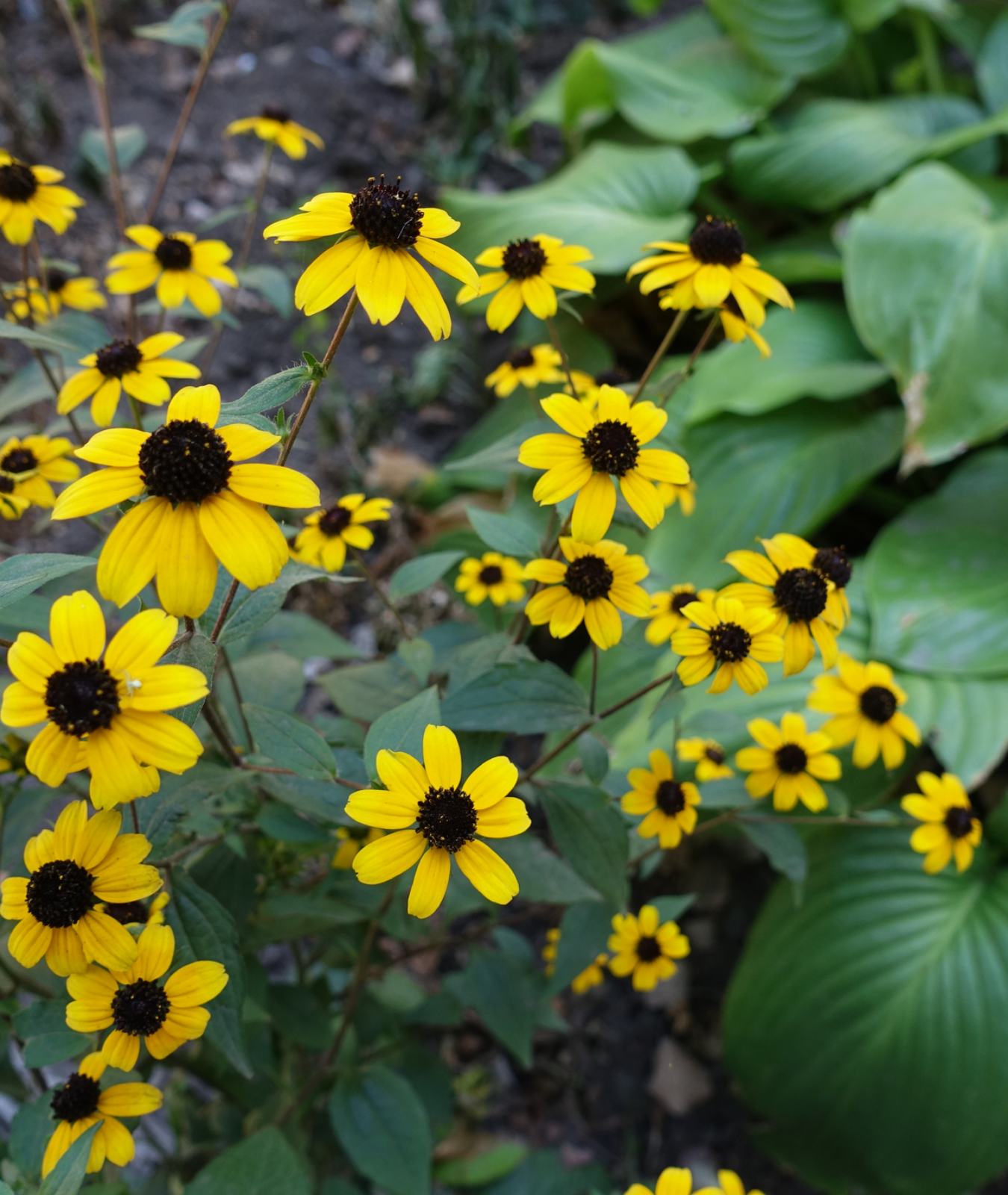
A cheerful, long-flowering perennial producing masses of golden-yellow daisy-like flowers with dark centres from late summer into autumn. Its airy branching habit creates a naturalistic look that blends beautifully with grasses and prairie-style planting.
-
Why we like it
Specs & details
The particulars
- Botanical name
- Rudbeckia triloba 'Blackjack Gold'
- Common name
- Brown-eyed Susan
- Supplied as
- 3 litre pot
- Flower colour
- Yellow and Gold
- Eventual height
- 90–120cm
- Flowering period
- July, August, September, October
- Habit
- Upright branching perennial
- Hardiness
- Fully hardy in most UK gardens.
- Aspect
- Full sun
- Soil type
- Loam, clay, sandy soil
- Moisture
- Moist but well-drained
- Position
- Middle of border, prairie planting, wildlife garden
Planting & care
Help it thrive
Planting guide
Plant in spring or autumn in fertile, well-drained soil. Position in full sun for the best flowering performance. Space plants well to encourage airflow and water regularly while establishing.
Care tips
Deadhead spent blooms to prolong flowering and divide congested clumps every few years in spring. Water during prolonged dry periods, especially in lighter soils.
Winter care
Leave seed heads standing through winter for wildlife interest and protection, then cut stems back in late winter or early spring before new growth emerges. Mulch lightly in colder areas.